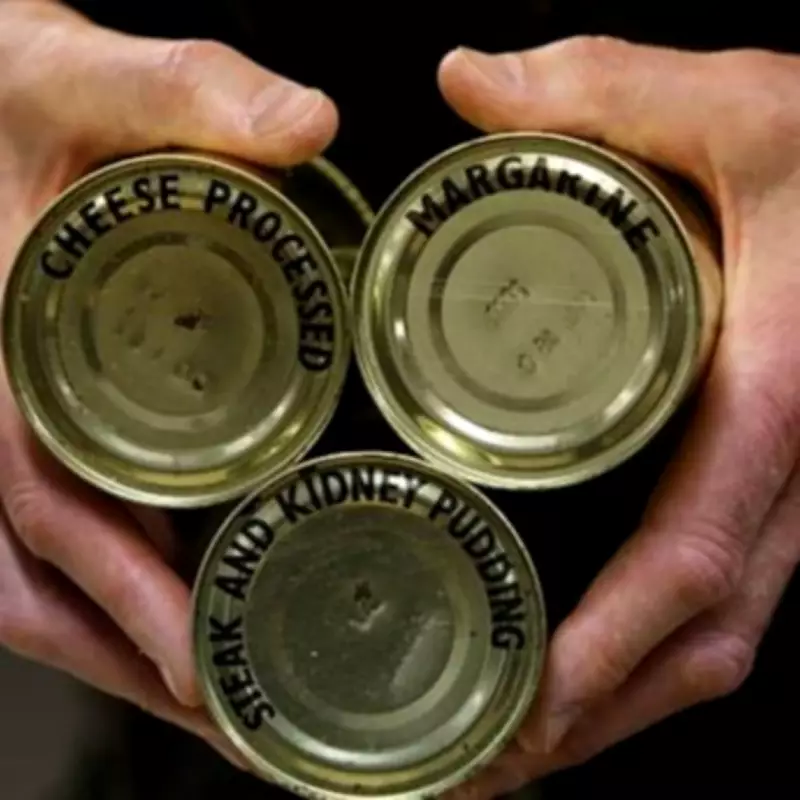
A recent survey has revealed that millions of UK households are engaging in contingency planning for potential major disruptive events, stockpiling essential items such as tinned goods and cash. The research, conducted by Link, indicates a growing trend of preparedness among the public.
Key Findings of the Survey
The survey found that 15% of respondents would use a supply of banknotes and coins kept specifically for such emergencies. Half of those surveyed have battery-powered items like torches at home, while nearly half have a supply of tinned goods, including baked beans and canned fruit. Over a third keep a power bank to charge mobile phones, and a fifth have access to a portable gas hob, such as a camping stove. Additionally, 17% have a stash of cash at home.
Expert Insights
Graham Mott, Link's director of strategy, commented: “With rising public concern about threats like power outages, cyber-attacks and disruption to card payments, more people are prepping by keeping some emergency cash at home.” Professor Tim Lang emphasized the importance of social cohesion during crises, stating: “All resilience theory and experience, in shocks, wars, or sub-war conflicts, shows it is essential to maintain social cohesion if you want to maintain social order.” He advised thinking about scenarios with no cooking facilities, no water, and no internet, and suggested storing foods that can sustain a household for a week or ten days. His personal preference includes dal, beans, oats, and tinned fish like sardines.

Preparedness Tips
- Keep a stash of cash at home for emergencies.
- Stockpile non-perishable tinned goods such as baked beans and canned fruit.
- Ensure access to battery-powered torches and power banks.
- Consider portable cooking solutions like camping stoves.
- Store dried goods like oats and beans that can be eaten raw if needed.
The survey underscores a shift in public behavior as concerns over infrastructure disruptions grow.