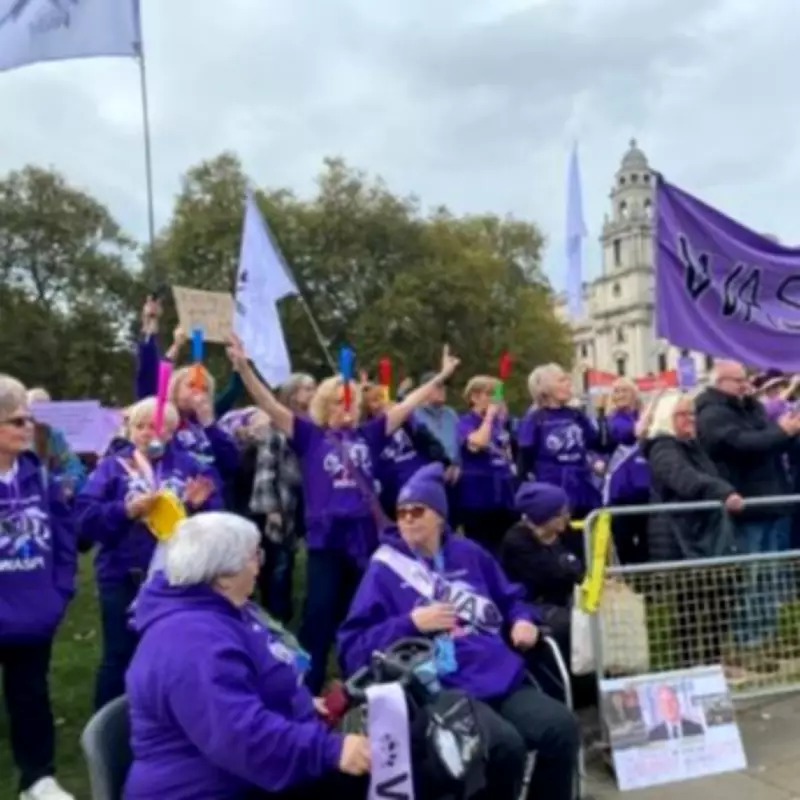
WASPI Women Await Crucial Legal Update in £2,950 Pension Battle
Women involved in the WASPI campaign are bracing for a significant legal development in their prolonged struggle to secure £2,950 compensation payouts from the Department for Work and Pensions. This follows a 2024 Ombudsman report that exposed a historic injustice regarding how changes to the state pension age were communicated to women born in the 1950s.
Ombudsman Findings and Government Refusal
The Ombudsman's investigation concluded that the failure to properly inform women about the increase in state pension age constituted a clear injustice, warranting compensation of £2,950 per affected individual. However, both the Labour Party and the DWP have steadfastly refused to authorize these payments, creating a standoff that has left millions of women in financial limbo.
In a recent statement, WASPI representatives revealed: "Since our last update, WASPI's legal team have undertaken a careful line by line scrutiny of the Government’s new decision and the barrister team has been fully briefed; we will meet with them in the coming days." They promised to inform supporters of their next steps once legal advice is received.

Government Justification and Political Backlash
DWP minister Pat McFadden defended the government's position in the House of Commons, arguing that most women were already aware of the pension age changes through extensive public information campaigns. He stated that creating a compensation scheme would be impractical and unfair, potentially costing up to £10.3 billion for what he described as a blanket payment to women who already knew about the changes.
The decision has sparked strong political condemnation. Steve Darling MP, Liberal Democrats Work and Pension spokesman, expressed outrage: "Millions of Waspi women will feel utterly betrayed today. The conclusion of this shambolic process is a hammer blow to all those women who thought they would finally be treated fairly." He called the government's refusal to honor the Ombudsman's findings "frankly disgraceful" and vowed to continue pressing for fair treatment.
What Comes Next
The upcoming legal meeting represents a critical juncture in this years-long battle. WASPI campaigners remain determined to challenge what they see as systemic injustice, while the government maintains its position that compensation would be neither feasible nor equitable. As both sides prepare for the next phase of this contentious issue, affected women across the country await news that could significantly impact their financial security and retirement plans.