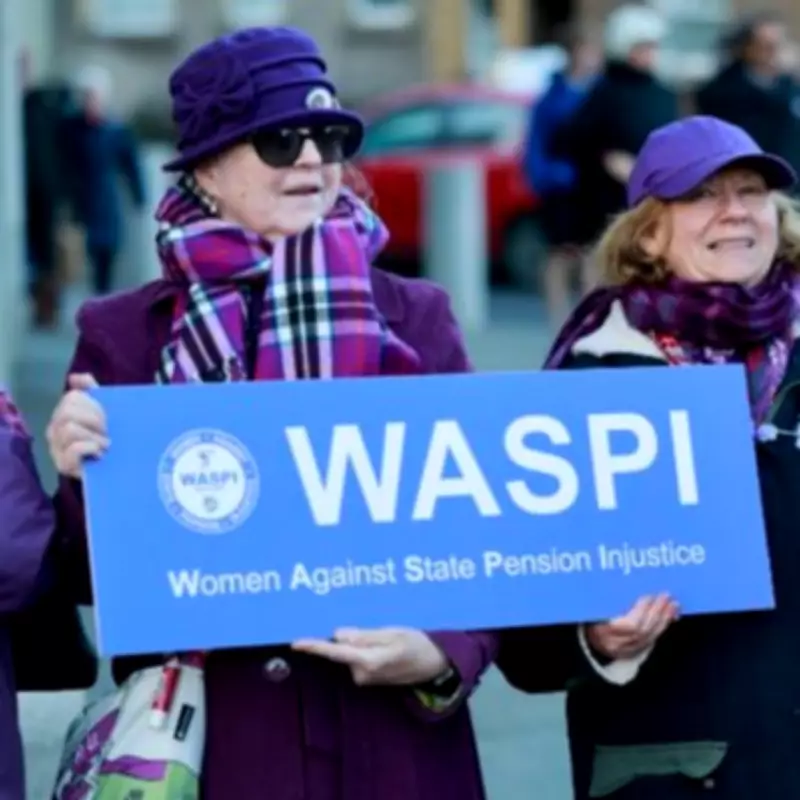
WASPI Women's Fight for £2,950 Compensation Persists Amid Government Rejection
An expert has provided a hopeful new update regarding the ongoing battle of WASPI women seeking payouts from the Department for Work and Pensions (DWP). Despite recommendations from the Ombudsman, both the DWP and the Labour Party government have refused to issue compensation to these women.
Ombudsman Recommendations Ignored
The refusal comes in direct contradiction to the Ombudsman's advice, which suggested that women affected by historical injustices related to the state pension age should receive payments ranging from £1,000 to £2,950. This decision has sparked significant controversy and disappointment among campaigners.
Legal Challenges and Campaign Determination
Hannah Martin, a pensions expert and founder of Rich Retiree, commented on the situation. "While I’m not a legal expert, I do know not to underestimate a determined, angry group of women," she said. "The WASPI campaign has confirmed that their legal team is intending to highlight 'legal errors' in the Government’s decision-making, and they will give them 14 days to respond."

Campaigners have made it clear that they are prepared to escalate the matter to the High Court if necessary, indicating that this battle is far from over. The resilience of the WASPI movement underscores their commitment to achieving justice.
Scale of the Issue and Broader Implications
The number of individuals impacted by the pension age changes could reach up to 3.6 million, if every woman born in the 1950s and the first three months of 1960 is included. WASPI women argue that this group has had their retirement plans "plunged into chaos," leading to widespread financial and emotional distress.
Martin emphasized the broader significance of the issue. "Given that it impacts 3.6 million women, and they are justifiably feeling hard done-by and angry, this is not going to go away quietly," she stated. "It also touches on a number of sensitive topics, including pensions, cost of living, gender disparities and trust in the Government, which gain them sympathy from other groups struggling with similar issues."
She added that this cause presents an opportunity for political parties or politicians aiming to appeal to an influential segment of the voting population, highlighting the potential for wider political ramifications.
Complexities of Compensation Distribution
Determining the appropriate amount of compensation poses a significant challenge. Martin explained, "How much compensation should be paid is a hard call, as the financial impact is not the same for every woman. While a flat payment would be simpler to administer, there could be some women who are still left out of pocket, whereas others receive more than they lost. Some kind of simplified graduated scheme would be fairer."
This complexity adds another layer to the ongoing debate, as stakeholders grapple with finding a equitable solution that addresses the diverse experiences of the affected women.