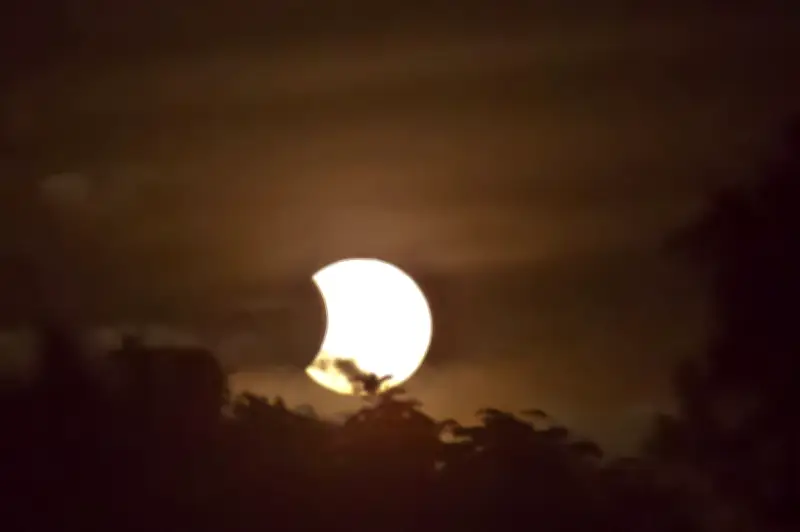
A rare total solar eclipse is set to be visible over parts of the West Midlands and Shropshire on April 8, 2024, marking the UK's most significant sky event since the 1999 eclipse. The phenomenon, where the moon passes directly between the Earth and the sun, will cast a shadow across the region, offering a spectacular display for those in the path of totality.
What time will the eclipse occur?
The eclipse is expected to begin around 11:17 AM BST, with totality—the period when the sun is completely obscured—lasting for approximately two minutes and 10 seconds. The exact timing may vary slightly depending on location within the region.
Where will it be visible?
The path of totality stretches across a narrow corridor from the west coast of Ireland through Wales and into the West Midlands and Shropshire. Cities such as Shrewsbury, Telford, and Wolverhampton are within the path, while Birmingham will experience a partial eclipse with around 95% coverage. According to Dr. John Mason, an astronomer at the South Downs Planetarium, "The difference between 95% and 100% is like the difference between almost winning the lottery and actually winning it."

How to view the eclipse safely
Experts warn that looking directly at the sun, even during a partial eclipse, can cause permanent eye damage. Special solar viewing glasses or indirect viewing methods, such as pinhole projectors, are essential. The Royal Astronomical Society advises against using regular sunglasses, camera filters, or telescopes without proper solar filters.
Why is this event significant?
The last total solar eclipse visible from the UK mainland occurred on August 11, 1999, which was partially obscured by clouds in many areas. The 2024 event is particularly notable because the path of totality crosses densely populated regions, making it accessible to millions. The next total solar eclipse in the UK is not expected until 2090.
What to expect during totality
As the moon fully covers the sun, the sky will darken dramatically, temperatures may drop, and birds and animals may behave as if night has fallen. The sun's corona—its outer atmosphere—will become visible as a faint halo around the moon. Observers are encouraged to take note of these changes and enjoy the unique experience.
Local events and viewing parties
Several astronomy groups and science centers in the West Midlands and Shropshire are planning public viewing events. The Shropshire Astronomical Society will host a gathering at the Shrewsbury School Observatory, while the Thinktank Birmingham Science Museum plans a family-friendly event with safe viewing equipment. Attendees are advised to arrive early and bring their own solar glasses if possible.
Weather considerations
Clear skies are crucial for optimal viewing. The Met Office notes that April weather in the UK is variable, with a 50-60% chance of cloud cover in the region. However, meteorologists will provide updated forecasts closer to the date. Even with partial cloud, brief clearings could offer glimpses of the eclipse.