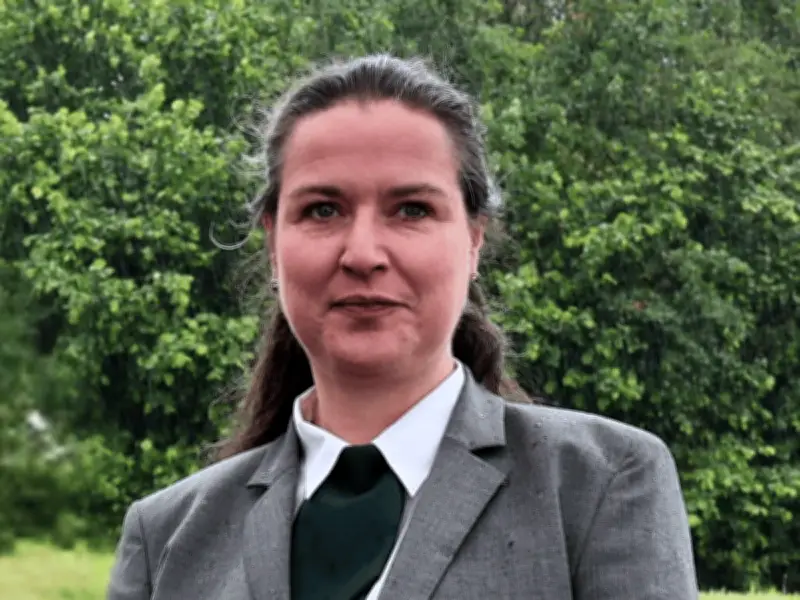
Moira Tunnicliffe, 42, has spent nearly 25 years in the death industry, starting at a death registry office for the NHS before moving into funeral directing. Now the leading cremator technician at We Are Direct Cremations, she works at Hammerwich Crematorium & Cemetery in Burntwood, Staffordshire, one of the busiest in the region.
From office to cremator
After realising an office role was not for her, Moira transitioned into funeral directing. She now handles everything from family enquiries to operating the cremator itself. Her day typically begins at 8am, ensuring all paperwork is correct and the cremator reaches its optimal operating temperature of over 800 degrees Celsius.
A typical day's routine
Moira explains that there are strict regulations before any cremation can proceed. From 9am until lunchtime, she checks forms and approvals. By 11am, she confirms the cremator is ready and dons PPE — gloves, face shield, and protective suit — a process that takes about five minutes. On this particular day, she performs five cremations, each lasting around 1.5 hours.
“Depending on what the family have told me about the individuals I care for, I will usually say a little prayer or relay a tribute as the body enters the cremator,” she shares.
Emotional toll and compartmentalisation
Moira begins wrapping up at 4.30pm and is usually the last to leave, arriving home around 6pm. She acknowledges the emotional weight of the job: “In our line of work, there is a lot of emotional baggage to carry. Mentally, I like to ensure I have done all I can so that when I leave at the end of the day, work stays at the crematorium doors.” She advises others in the industry to compartmentalise to cope.