A major West Midlands museum is preparing to reveal the location of its new home within the coming weeks, following significant public opposition to the sale of its current historic site.
New Location Announcement Imminent
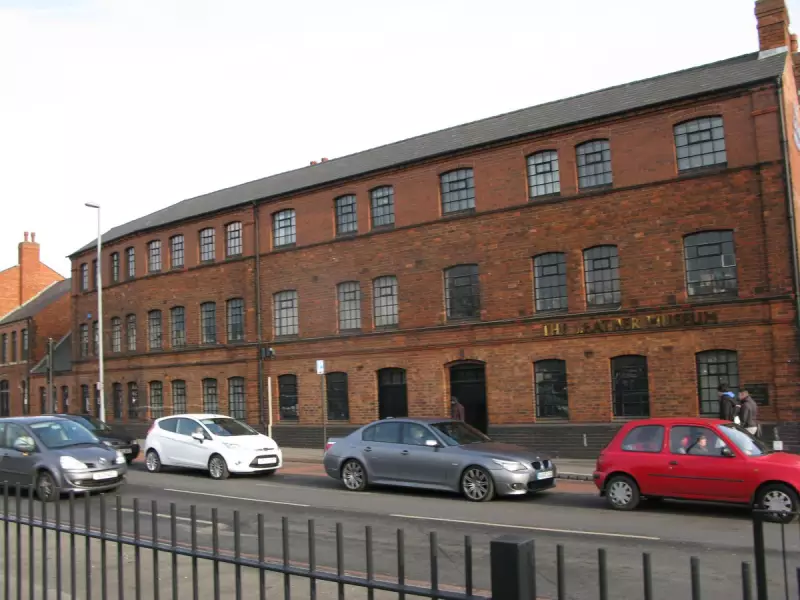
Walsall Council leader Mike Bird has confirmed that a new location for the town's historic Leather Museum will be announced within the next six to eight weeks. This announcement promises a fresh chapter for the popular attraction, which has been based in its current building since 1988.
The move comes after the council's controversial decision to sell the existing museum site on Littleton Street West. The land is being sold to make way for new student accommodation specifically dedicated to SEND (Special Educational Needs and Disabilities) students.

Community Backlash and Campaign
The closure plans have prompted widespread backlash from the local community and heritage supporters. A petition titled 'Stop the Closure of Walsall Leather Museum' on Change.org has gathered 3,377 signatures at the time of writing.
The petition was organised by leather designer Lauren Broxton, who has been actively campaigning to save the museum. One signatory, Steve from Wolverhampton, voiced a common concern, stating that the building itself is a vital exhibit. He shared that his family was involved in the local leather industry and that the authentic factory setting holds deep personal and historical significance.
"The museum is in an old leather factory and has the authentic 'feel' to it," he wrote. "To house the museum anywhere else would completely devalue its purpose and would be a massive loss to the people of Walsall."
Looking Ahead
Despite the planned relocation, there is no specific closing date for the Walsall Leather Museum at its current address. The museum remains open to the public for visits. The council's forthcoming announcement will be closely watched by residents and heritage enthusiasts eager to see how the museum's unique collection and character will be preserved in its new setting.
This development marks a critical point in the museum's long history, balancing the need for modern community facilities with the preservation of industrial heritage.