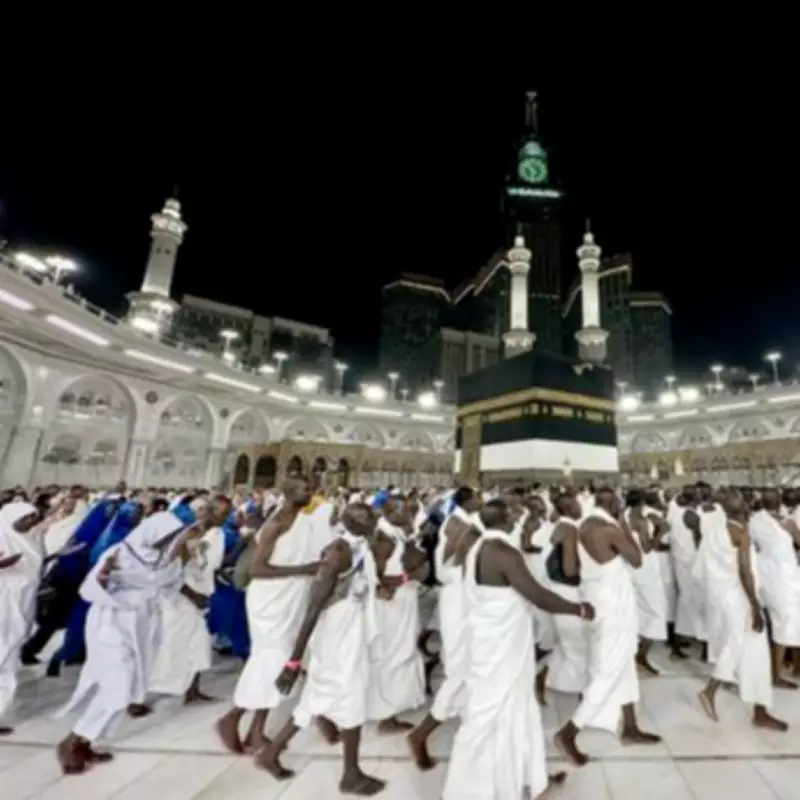
Millions of Muslims around the world are preparing for the annual Hajj pilgrimage to Mecca, one of the Five Pillars of Islam. This religious duty is mandatory for all adult Muslims who are physically and financially capable. This year, Hajj is expected to take place from May 25, 2026, as the month of Dhul Hijjah begins on Monday after the sighting of the crescent moon in Saudi Arabia.
What is Hajj?
Hajj is an annual pilgrimage that occurs during Dhul Hijjah, the 12th and final month of the Islamic lunar calendar. It is a fundamental act of worship and a compulsory obligation for every adult Muslim who can afford it and is healthy enough to undertake the journey. The pilgrimage is believed to absolve sins and provide a fresh start before Allah. Approximately two million Muslims travel to Mecca each year to participate.
Key Rituals of Hajj
Ihram: State of Ritual Purity
Before arriving in Mecca, pilgrims enter a spiritual state called Ihram. This involves adhering to strict dress codes: men wear two plain white unstitched garments, while women wear loose-fitting attire. This uniformity symbolizes equality among all pilgrims, regardless of wealth or status.
Tawaf: Circumambulation of the Kaaba
Pilgrims walk around the Kaaba, the black stone structure at the heart of Islam's holiest mosque, seven times in an anti-clockwise direction. This act of devotion is known as Tawaf.
Sa'i: Walking Between Safa and Marwa
After Tawaf, pilgrims perform Sa'i, walking and running between the hills of Safa and Marwa. This ritual commemorates Hagar's desperate search for water for her son Ismail and serves as a reminder of life's struggles.
Standing at Arafat
The pinnacle of Hajj occurs on the 9th day of Dhul Hijjah, when pilgrims gather on the plain of Arafat to stand in prayer, seeking God's forgiveness, mercy, and guidance.
Stoning of the Devil
Pilgrims spend the night in Muzdalifah collecting pebbles for the symbolic stoning of the devil, known as Rami. This ritual takes place at three stone pillars in Mina and represents the rejection of evil.
Animal Sacrifice
Following Rami, an animal is sacrificed in remembrance of Prophet Ibrahim's willingness to sacrifice his son. The meat is distributed among pilgrims and those in need, in a communal feast.
Eid al-Adha: The Feast of Sacrifice
Eid al-Adha marks the conclusion of Hajj. Muslims worldwide perform the Eid prayer and participate in Qurbani, honoring Prophet Ibrahim's devotion to Allah. This festival lasts for four days.
Hajj dates shift by about 10-11 days each year due to the lunar calendar. Pilgrims often arrive in Saudi Arabia weeks in advance to prepare spiritually and logistically for the journey.