Budget Pressures Clash with Educational Needs in Dudley
A headteacher from an independent school has issued a stark warning to Dudley Council, urging them not to put a price on the education of children with special educational needs and disabilities (SEND). The caution comes as the local authority seeks to manage rising costs and increasing demand for its SEND services.
Martyn Smith, a Local Democracy Reporter, revealed on 13th November 2025 that the council's children's services are under significant financial strain. In response, the authority is planning to reduce its reliance on costly independent school placements.
The High Cost of Specialist Provision
Official figures from the council's SEND and AP Sufficiency Strategy for 2024 to 2031 highlight the scale of the challenge. As of June 2024, the council was funding 296 SEND pupils in independent schools at an annual cost of £15.8 million. In contrast, council-run provision for 1,068 SEND pupils cost £14.1 million per year.
To achieve savings, the council intends to create more in-house SEND places, thereby bringing more pupils back under its direct provision and away from the independent sector.
A Warning from the Frontline
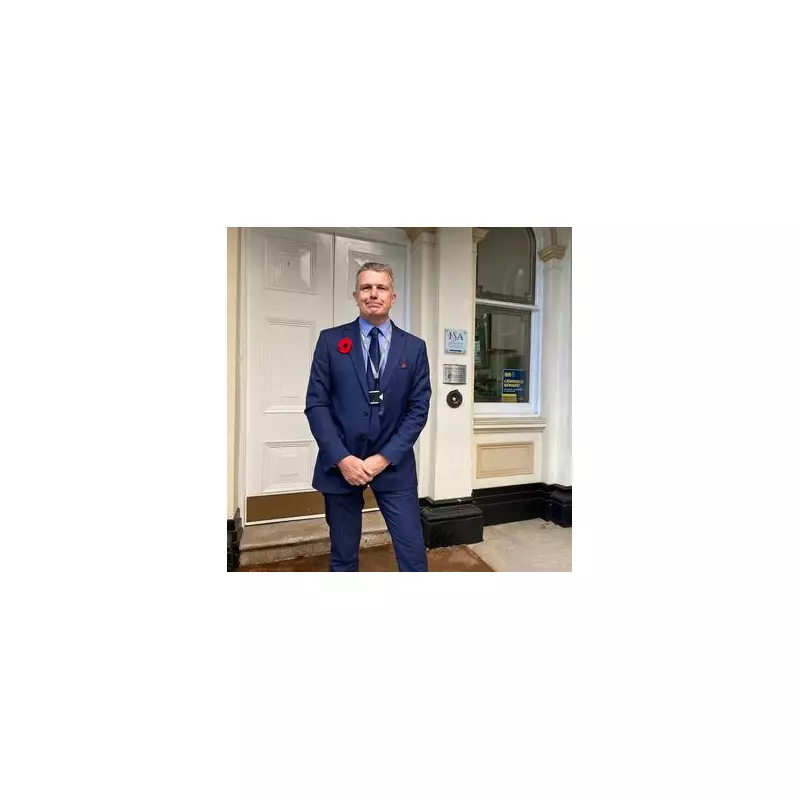
Lawrence Collins, the headteacher at Heathfield Knoll School in Wolverley, Worcestershire, has sounded a note of caution about this budget-driven approach. His school works with several local authorities, including Dudley, and takes around ten pupils from the borough each year.
"It is very difficult to put a price on someone's education," Mr Collins stated. "If you start to think of children as numbers what you lose is what we hope the education system is about, which is developing young people – the quality of outcomes will suffer."
Heathfield Knoll provides a high level of support, costing approximately £50,000 per year per pupil. This funds a dedicated teacher and teaching assistant for every six pupils, alongside a range of therapies in a purpose-built centre known as Connect.
Mr Collins emphasised that the school's philosophy was built on need, not cost. "We started from 'what do children need', not what we can get away with or what is the cheapest solution," he explained.
Can Council Plans Replicate Specialist Success?
Part of Dudley Council's strategy involves using vacant council-owned buildings to provide new SEND facilities. However, the team at Heathfield Knoll questions whether this can truly replicate the specialised environment their students require.
The school's Connect centre is a state-of-the-art facility designed as a low-sensory environment, which is vital for pupils with anxiety issues who struggle in mainstream schools.
Jane Cain, the assistant headteacher, pointed out a potential flaw in the council's plan: "Using empty buildings won't necessarily be low cost to adapt."
Mr Collins urged the council to focus on long-term outcomes for the children. "You have got to look at the bigger picture and think about outcomes," he said. "Is this being driven by education or budget? I am not a politician but I know, from an educational need, we need to deliver the very best."
He concluded with a powerful reminder of what is at stake, noting that councils are legally required to meet SEND pupils' needs. "It always comes back to the right setting for the right child," he said. "If you fail you cannot get that time back."