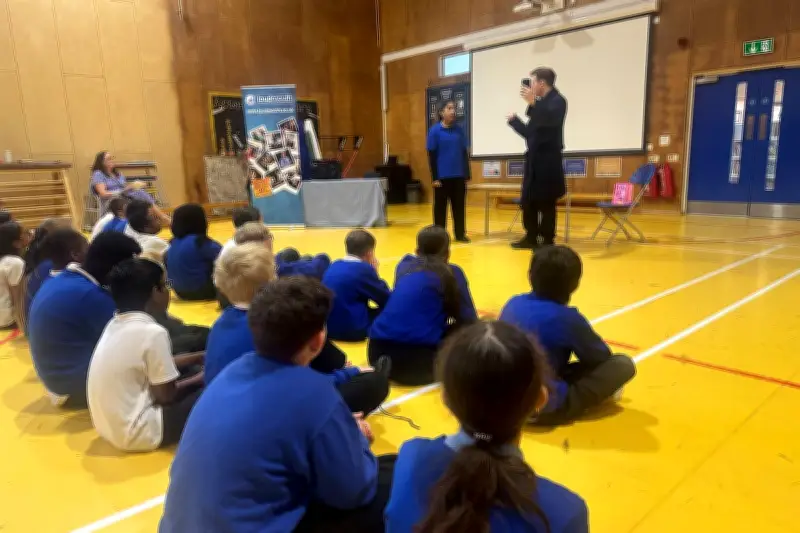
Schools across Birmingham are stepping up efforts to teach pupils how to distinguish fact from fiction in the digital age, as concerns grow over the spread of misinformation and fake news online. The initiative, which has been rolled out in classrooms citywide, aims to equip young people with the critical thinking skills needed to navigate an increasingly complex media landscape.
Combatting Misinformation in the Classroom
The programme, which has been integrated into the curriculum, focuses on helping students identify reliable sources, question the authenticity of content, and understand the techniques used to create misleading information. Teachers are using real-world examples, including viral social media posts and manipulated images, to demonstrate how easily falsehoods can spread.
According to a recent survey, nearly 80% of teenagers in the UK have encountered fake news online, yet only a quarter feel confident in their ability to spot it. This gap in confidence is precisely what the new lessons aim to address, say education officials.
Empowering Students with Critical Skills
The lessons are designed to be interactive, encouraging pupils to engage with the material rather than passively absorb it. Students are taught to check the source of information, cross-reference with multiple outlets, and be wary of emotional language that often accompanies misinformation.
"We want our pupils to become savvy consumers of information," said a spokesperson for a Birmingham primary school involved in the programme. "It's not just about telling them what to believe, but giving them the tools to decide for themselves."
Part of a Broader Digital Literacy Push
The initiative is part of a broader push across the West Midlands to enhance digital literacy. The region has seen a rise in online scams and phishing attempts, prompting local authorities to invest in education as a preventative measure.
Earlier this year, the government announced new guidance for schools on teaching online safety, which includes modules on identifying disinformation and understanding the impact of deepfakes. Birmingham schools are among the first to adopt these guidelines, with some even partnering with tech companies to provide workshops on digital ethics.
Looking Ahead
As the digital world continues to evolve, the need for robust media literacy education becomes ever more pressing. Birmingham's proactive approach serves as a model for other cities, demonstrating that investing in young people's critical thinking is an investment in the future.
Parents are also being encouraged to reinforce these lessons at home, with many schools hosting information evenings to help families understand the risks and how to support their children.
The programme has been praised by educators and child safety advocates alike, who see it as a vital step in protecting the next generation from the dangers of online misinformation.