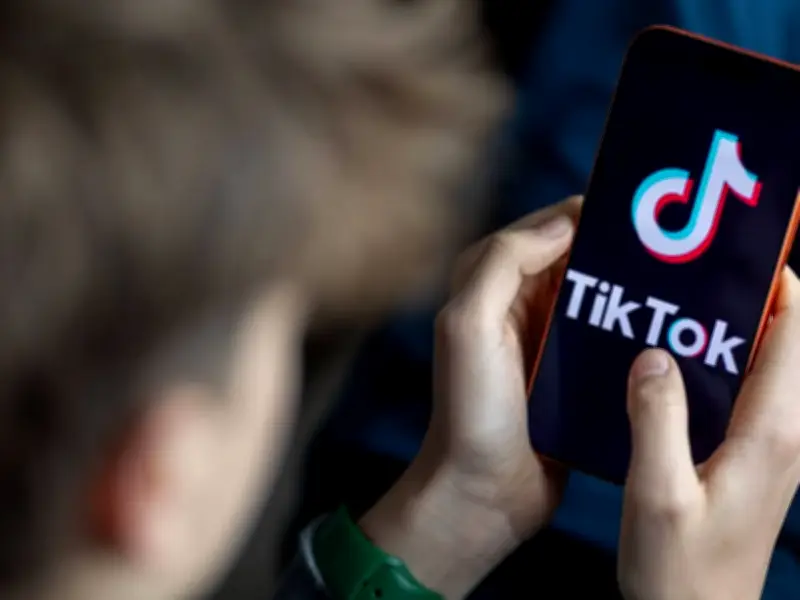
The UK's social media ban for under-16s will begin in March next year, Culture Secretary Lisa Nandy confirmed at the Labour Party conference in Liverpool. The announcement, made during a YouTube-hosted event, ends months of speculation about the exact start date, which ministers had previously only indicated would fall in "spring" next year.
The ban was first unveiled by former Prime Minister Sir Keir Starmer in June, before his departure from office. Nandy's confirmation marks a significant milestone for the policy, which she described as an "amazing force for good" and a move that would make the UK a global leader in online safety.
UK to become 'pioneers' in online safety
Speaking at the conference, Nandy said the UK would be the "first country" to implement a "comprehensive social media ban" for under-16s. She stated that the nation would become "leaders" and "pioneers" in the online safety arena, adding: "We will get this right".
"I'm determined that we will change the rights of children forever," she said. The culture secretary's comments underscore the government's commitment to the policy, which has been a subject of intense debate among parents, educators, and tech companies.
How the ban could work
Nandy also provided new details on the mechanics of the ban. She suggested that tech firms could earn an exemption if they make their platforms safe for under-16s. The Cabinet minister explained that ministers will draw up a list of existing applications that will face restrictions, but they will also consider a "safety by design" and "safety by feature-led approach".
"We're going to do proper, comprehensive legislation so that it doesn't just incorporate the specific apps, it incorporates the features that we believe are not safe," Nandy said. "So there will be a way for companies, if they want to innovate and they want to change, to be able to get themselves essentially off that list. But that's up to them. We believe that's their choice."
She added: "They can decide to innovate if they want to, and we believe they should because we think they have their social and moral obligations. But whether they do it or not, the government has an obligation here and we intend to act."
Sign of failure, says Nandy
Nandy acknowledged that the need for such a ban reflects a broader failure to protect children online. She said it was a "sign of failure" that it had become necessary to ban children from platforms, after years of inaction from tech firms and the insufficient impact of the Online Safety Act.
"I do think it's a sign of failure that we've got to the place as a country where we're having to take children off social media altogether because we cannot protect them from harm. I do not want us to be in this position as a country," she said.
'Very different approach under Andy Burnham'
The culture secretary, who took on the online safety brief after Andy Burnham became Prime Minister, signalled a shift in policy direction. "You can expect to see a very different approach from this iteration of the Labour government led by Andy Burnham," she said.
"We believe that it is uniquely wrong that we have allowed the online spaces to be treated as private spheres, policed and regulated only by the private sector. We believe there is a really strong role for the government here to step up and you can expect to see a much more interventionist government in this area," Nandy concluded.