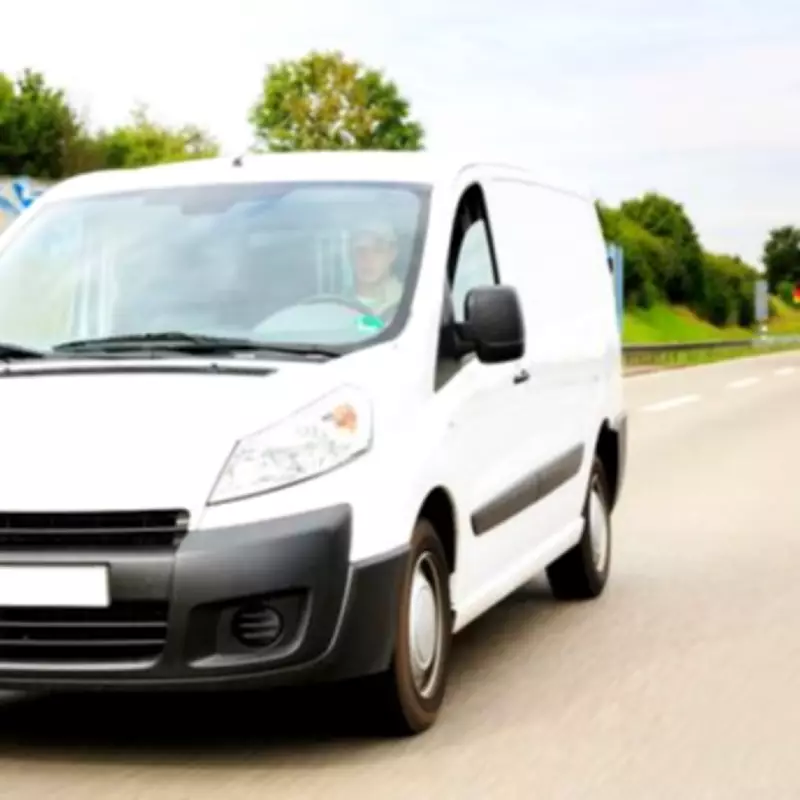
Stricter Euro 7 Emissions Standards to Take Effect in Britain from Late 2026
Car and van drivers across the United Kingdom have been issued a significant warning regarding new regulations set to commence in November 2026. The Euro 7 emissions standard, a pivotal update in environmental policy, will impose tougher requirements on all newly registered vehicles starting November 29, 2026.
Key Requirements and Impacts on Vehicle Emissions
The regulation mandates that cars and vans emit substantially lower levels of nitrogen oxides (NOx), which are harmful pollutants linked to air quality issues and health concerns. Additionally, it guarantees that vehicles remain within these strict emission limits for an extended duration, specifically 10 years or 200,000 kilometers, whichever comes first.
This move is part of a broader effort to reduce harmful pollutants and address pollution from non-exhaust sources, such as brake and tire wear. The Euro 7 standard aims to set a new benchmark for cleaner transportation across Europe, with the European Union planning to introduce it towards the end of 2026.

Financial Implications for Manufacturers and Consumers
The implementation of Euro 7 is likely to raise the cost of new vehicles, particularly affecting petrol and diesel models. Industry experts estimate that the additional expenses will range from approximately £155 to £393 for cars and vans, while trucks and buses could see an increase of around £2,440.
These extra costs are expected to be passed on to buyers, potentially impacting the automotive market starting in late 2026 or early 2027. The regulation will also have a significant effect on manufacturers operating in the UK, requiring adjustments in production and technology to meet the new standards.
Timeline and Regulatory Process
The RAC has provided insights into the timeline for implementing these emissions standards. According to their explanation, predicting the exact timing can be challenging due to the necessary regulatory steps. Proposals must be drafted, consultations conducted, and a vote taken by the European Parliament before the standards can be officially put in place.
Historically, previous emissions standards have remained in effect for periods ranging from four to six years. A similar timeframe is anticipated for Euro 7, ensuring a gradual transition for the industry and consumers alike.
As the deadline approaches, drivers and manufacturers are advised to stay informed about these changes, which represent a critical step towards reducing environmental impact and improving air quality in urban areas.