Saharan Dust Cloud to Sweep Across Britain This Weekend
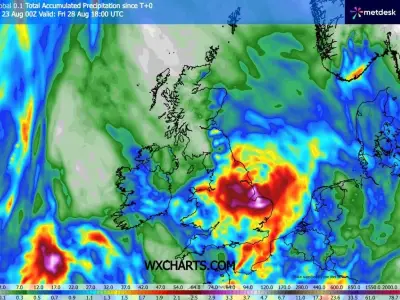
A rare and unusual weather phenomenon is forecast to impact the United Kingdom this weekend, with health experts issuing urgent warnings for vulnerable individuals. A plume of Saharan dust, carried thousands of miles by wind currents from North Africa, is expected to sprinkle across the country, particularly affecting southern England.
Health Risks and Precautionary Measures
Authorities are advising residents to keep windows and doors firmly closed to minimize exposure to the fine dust particles. This recommendation is especially critical for people living with asthma, chronic obstructive pulmonary disease (COPD), or other lung conditions, as the particles can cause significant respiratory irritation.
Karen Spillett, Deputy Head of Health Advice at Asthma + Lung UK, emphasized the seriousness of the situation in statements to The Sun. "Saharan dust could pose a serious risk to people living with asthma and other lung conditions this weekend," she warned. "The fine dust particles from the Sahara can cause irritation to the lungs, which could result in people coughing and wheezing more or producing extra mucus."

Spillett further explained that such irritation can trigger asthma attacks and exacerbate symptoms of other respiratory diseases. She provided specific guidance for those at risk:
- Keep windows and doors closed at all times
- Consider staying indoors as much as possible
- If going outside is necessary, shower and change clothes upon returning home
- Always carry reliever inhalers and continue using preventer inhalers as prescribed
- Limit outdoor exercise and physical activities
Visible Effects and Meteorological Conditions
The Met Office has confirmed the unusual weather pattern in their latest forecast. While the dust concentration isn't expected to be particularly dense, it will contribute to reduced atmospheric clarity and create hazy conditions across many regions.
The meteorological service noted: "Haze is also a feature to watch. The inflow of Saharan dust, although not particularly dense, could contribute to reduced clarity in the sky and muted sunlight at times. Where breaks appear, the sun may have an orange or hazy cast to it."
Residents may notice several visible effects of the phenomenon:
- A yellowish or brownish residue on cars, windows, and outdoor surfaces
- Hazy or muted sunlight with possible orange tints during sunrise and sunset
- Reduced visibility in some areas
- Overnight mist and fog formation, particularly in central and southern regions
Regional Impact and Additional Recommendations
Southern England is expected to experience the highest concentration of Saharan dust particles, though the entire country will see some effects. Rainfall patterns are forecast to remain largely typical for this time of year, which may help settle some of the dust in certain areas.
For those who must venture outside, experts suggest several additional precautions:
- Plan outdoor activities for earlier in the day when air quality tends to be better
- Avoid areas with heavy traffic and congestion
- Motorists should keep car windows closed, especially in slow-moving traffic
- Monitor local air quality reports and weather updates regularly
Even brief exposure to the Saharan dust particles can trigger coughing, wheezing, and serious breathing difficulties for susceptible individuals. The natural composition of the dust doesn't diminish its potential health impacts, particularly for those with pre-existing respiratory conditions.
Asthma + Lung UK has reinforced their recommendation to limit outdoor activities to avoid breathing in polluted air. The organization stresses that while the phenomenon is temporary, its effects on vulnerable populations could be significant and potentially dangerous without proper precautions.