
Bristol Council Calls for Private Sector Investment to Meet Net Zero Climate Targets
Council chiefs in Bristol have emphasized that private sector investment is essential for the city to achieve its net zero climate goals, citing a severe lack of public funding. Officials warn that without millions of pounds from businesses and investors, decarbonization efforts could be jeopardized.
Funding Shortfalls Threaten Climate Action Plan
Bristol has significantly reduced local greenhouse gas emissions over the past two decades, but reaching net zero emissions requires substantial financial resources that the public sector cannot provide alone. The city council has outlined a comprehensive action plan with 90 measures aimed at cutting carbon emissions, but many of these initiatives depend on uncertain funding from government sources, companies, or private investors.
A recent example of this funding instability is the cancellation of a scheme to block through-traffic on Park Street, which was intended to boost bus usage, walking, and cycling. The West of England Combined Authority withdrew its financial support, highlighting the precarious nature of many climate-related projects.
Progress and Partnerships in Climate Initiatives
Despite challenges, Bristol has made notable strides in its climate efforts. Key achievements include:
- Replacing 36,000 street lights with energy-efficient LEDs, saving over £1 million annually in energy bills.
- Installing better insulation in buildings to reduce heating costs.
- Switching diesel vans to electric vehicles, which also cuts air pollution.
- Training council staff on reducing greenhouse gas emissions.
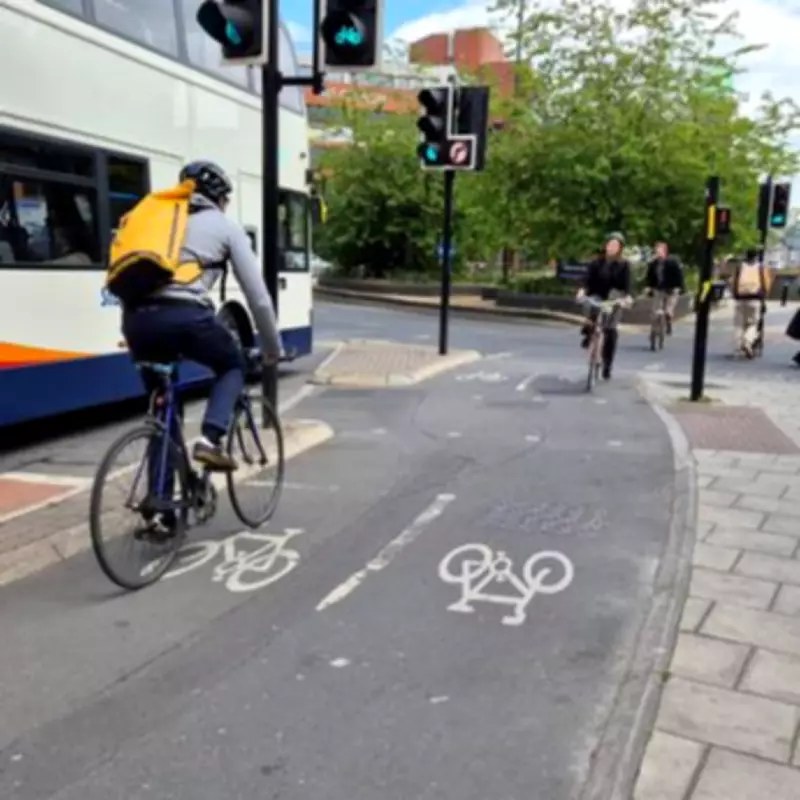
Additionally, new bike paths and bus lanes have encouraged more residents to cycle or use public transport instead of driving. The landmark City Leap deal, a partnership between the council, Ameresco, and Vattenfall, is set to bring hundreds of millions of pounds in investment for renewable energy generation and district heat network expansion.
Innovative Funding and Future Challenges
To address funding gaps, the council has launched an innovative scheme selling bonds to local investors, raising over £2 million to support carbon reduction measures while offering competitive returns. Alex Ivory, the council's climate change team manager, stated, "Everybody in this sector realises there isn't enough public sector money to achieve decarbonisation of cities. A large amount of it will have to come from the private sector."
Green Councillor Martin Fodor, chair of the environment committee, praised Bristol's diverse funding approach, noting, "We're seen as one of the places that has really demonstrated how to have a whole spectrum of funding of different scales... That's really good news. It's not enough yet, but it's a good start."
Scrutiny Concerns Over Private Sector Involvement
The reliance on private investment has raised questions about transparency and oversight. Labour Councillor Kye Dudd, a former cabinet member involved in the City Leap deal, expressed disappointment over the lack of regular updates to the environment committee, stating, "This committee needs to be having regular updates, and we've not had one in the last two years." Councillor Fodor responded that monitoring of City Leap projects falls under the strategy and resources policy committee's responsibility.
As Bristol continues its climate efforts, the council is also working on the Keep Bristol Cool framework to protect residents from extreme heatwaves, storms, and floods expected due to global warming, including initiatives like tree planting for better shade.