
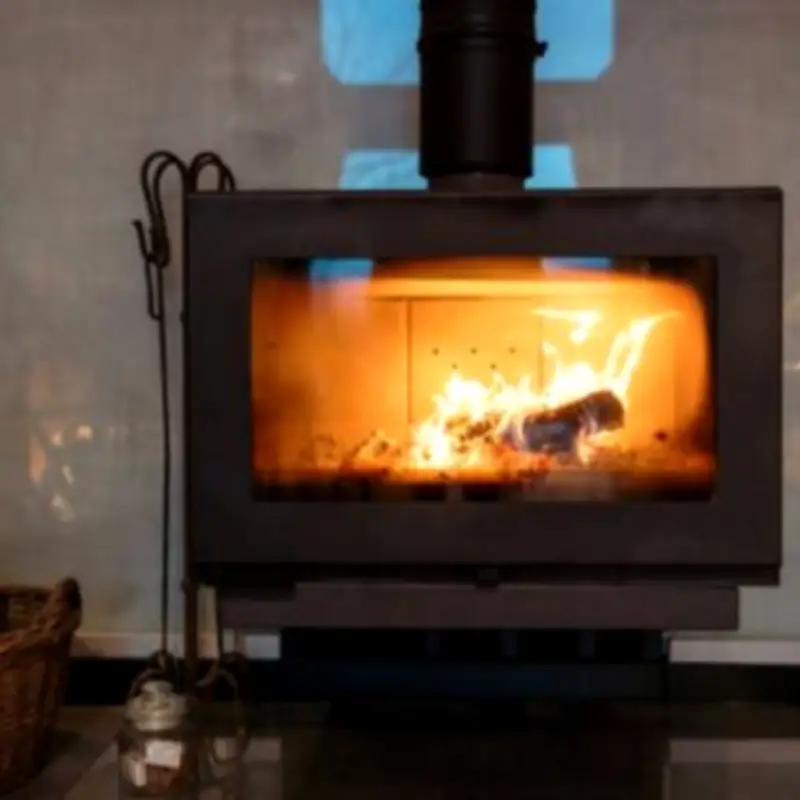
The UK government has proposed new regulations for log burners and wood burners in England, aiming to reduce emissions from solid fuel burning. Following a consultation launched in January 2026, the Labour Party government outlined measures including new smoke emission limits for appliances, mandatory labelling for appliances and fuels, and health labelling requirements.
Key Proposals
The consultation sought views on reducing smoke and fine particulate matter (PM2.5) emissions from domestic burning. Proposals include stricter stove emission limits, improved labelling, and increased penalties for non-compliance. The government confirmed that wood-burning stoves would remain allowed as secondary heating under the forthcoming Future Homes Standard, which sets building requirements for new homes.
Health and Environmental Impact
Domestic burning of solid fuels is a major source of PM2.5 emissions, accounting for around 20% of the UK's total in 2023—similar to road transport. Vulnerable groups, including children, older people, and those with health conditions, are most affected. The government estimates air pollution costs society approximately £20 billion annually.
Samantha Dixon, Labour MP, stated: "The Government understands the urgency of introducing new energy efficiency standards so that as many homes as possible are highly efficient and use low-carbon heating. We are carefully considering at what level to set the technical requirements of the Future Homes Standard to deliver an ambitious standard that is on track to achieve our net zero ambitions while also being achievable across the country."
Current Regulations
Wood burners are not banned in the UK but are regulated to reduce air pollution. In smoke control areas, approved appliances and fuels must be used, with fines ranging from £175 to £300 for non-compliance. DEFRA noted that while air quality has improved overall, emissions from domestic burning have risen as stove use grows in popularity.
The Future Homes Standard is expected to be delivered in the coming months, setting ambitious energy efficiency requirements for new homes.