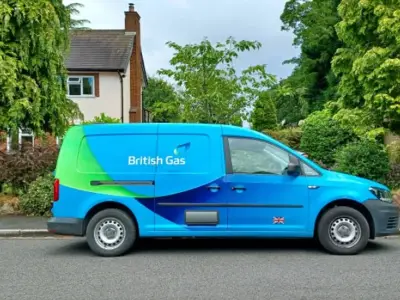
British Gas Details Customer Savings Following April Energy Price Cap Announcement
British Gas has provided crucial guidance on how customers could reduce their energy expenses following the latest energy price cap adjustment announced by Ofgem. The energy supplier's insights come as many households continue to face rising gas and electricity costs.
Significant Price Reduction for Typical Households
From April 1 to June 30, 2026, energy prices are scheduled to decrease by £117, representing a substantial 7% reduction for a typical household that utilizes both electricity and gas and pays through Direct Debit. This translates to approximately £10 in monthly savings for affected households.
According to the energy regulator, the annual cost for dual-fuel homes will now average around £1,641 following this adjustment. However, British Gas emphasizes that not all customers are on the energy price cap, and those who are can still implement additional savings strategies.

British Gas Expert Clarifies Changes and Opportunities
In a recent Instagram post on February 25, a British Gas expert explained: "The price cap has changed today. What does that mean for me? From April 1, your bills could change. The price cap determines the maximum amount that we can charge per unit of energy that you use."
The expert continued: "If you're on a standard variable rate, your rates are going down. To make things simple, I put the average savings on screen. If you're on a standard variable tariff, you could still save more money by switching to a fixed price tariff."
British Gas recommends that customers review their current arrangements through multiple channels. "You can easily go into your account and switch tariffs. You can do this online, you can do it in the app, or you can call us. We'll just be able to tell you exactly what tariff you're on now and whether you'd be able to save by switching to another tariff," the expert added.
Factors Influencing Individual Bill Amounts
While Ofgem has provided general estimates for typical household expenses, British Gas notes that precise bill amounts depend on several individual factors:
- Geographic location
- Type of meter installed
- Chosen payment method
The changes primarily affect customers on default tariffs who pay for electricity and gas through standard credit, Direct Debit, prepayment meters, or Economy 7 meters.
Ofgem Director Comments on Market Developments
Tim Jarvis, Director General of Markets at Ofgem, commented on the recent announcement: "Today's announcement will be welcome news for many households. Wholesale energy prices have fallen in recent months, and we're investing in our network to safeguard the future energy system."
Jarvis explained: "The main driver of today's reduction is the change to policy costs announced by the Chancellor in the budget. Our focus at Ofgem remains on bearing down on the costs within our control, and unlocking the investment needed to support the transition to a more stable energy system over the longer term."
The regulator has observed positive market trends, with Jarvis noting: "We're also seeing encouraging signs of greater engagement and competition, with switching increasing by almost 20% year on year. More households are choosing time-of-use tariffs that offer cheaper off-peak rates, and suppliers are offering a wider range of products, including deals with savings at evenings or weekends."
Jarvis emphasized: "The price cap protects households from overpaying for energy, but it's a safety net. Last year, consumers on fixed deals paid around £115 less than the cap on average, so we'd encourage people to speak to their supplier about the options available and consider whether a different tariff or payment method could help bring their bills down further."
Government Measures to Reduce Energy Costs
The UK Government previously announced in the Autumn Budget its commitment to reduce energy bills by approximately £150 on average starting in April, responding to ongoing cost-of-living pressures.
A November statement explained: "Families across the UK are feeling the squeeze of still too high inflation. The Budget delivers a set of measures to remove around £150 of costs on average from household energy bills from April next year."

These reductions will be achieved through ending the Energy Company Obligation (currently funded through bills) and through government funding of 75% of the domestic cost of the legacy Renewables Obligation for three years. Additionally, the government is extending the £150 Warm Home Discount to an additional three million of the poorest households.