Energy Bills Forecast to Jump by £288 Annually from July
Millions of households across the United Kingdom are bracing for a significant financial blow as energy bills are projected to surge by £288 per year starting in July. According to the latest forecast from Cornwall Insight, the typical UK household will pay £1,929 annually for gas and electricity, marking an 18% increase. This rise is directly linked to ongoing volatility in wholesale markets, exacerbated by the Middle East conflict, which has disrupted energy infrastructure and sparked concerns over supply stability.
Impact on Major Energy Suppliers
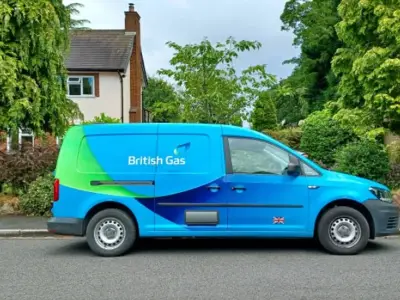
The new price cap will affect all of the UK's largest energy suppliers, including British Gas, EDF, EON, Ovo, and Octopus. Dr. Craig Lowrey, Principal Consultant at Cornwall Insight, highlighted the severity of the situation, stating, "Over a month into the Middle East conflict, energy markets are experiencing the kind of volatility not seen since 2022." He further explained that prior to the conflict, forecasts indicated relatively stable prices through the summer, but now an 18% rise is anticipated.
Expert Warnings and Consumer Advice
Richard Neudegg, director of regulation at Uswitch.com, expressed deep concern over the predicted increase. "The odds on household energy costs soaring this summer are shortening," he said. Neudegg emphasized that while the price cap will prevent immediate spikes for the next three months, it cannot shield consumers from global events affecting winter bills. He urged households to consider fixed energy deals to lock in rates for at least a year, noting that eight in ten households are already worried about rising energy costs.

Neudegg advised, "Fixing your energy rates now is the only way to avoid hefty price hikes that are predicted to come our way." He pointed out that although fixed deal prices have increased, paying slightly more for price certainty is a reasonable move in the current climate, with 25 tariffs still available. Consumers are encouraged to compare options tailored to their energy usage to secure reasonable rates ahead of the winter months.
Context and Immediate Relief
It is important to note that the price cap is set to fall by 6.7% (£117 for the average household) on Wednesday, 1 April, providing temporary relief. However, this decrease will be short-lived, as rates for standard tariffs are not expected to rise again until July. The forecasted July increase underscores the ongoing challenges in the energy market, driven by geopolitical tensions and infrastructure disruptions.
As households navigate these uncertain times, experts stress the importance of proactive measures. By securing fixed deals, consumers can gain certainty over their energy costs, particularly during the colder months when heating bills typically peak. The current situation serves as a stark reminder of how global events can directly impact domestic finances, making it crucial for individuals to take control where possible.