Energy Saving Trust Issues Warning Over Everyday Laundry Habits
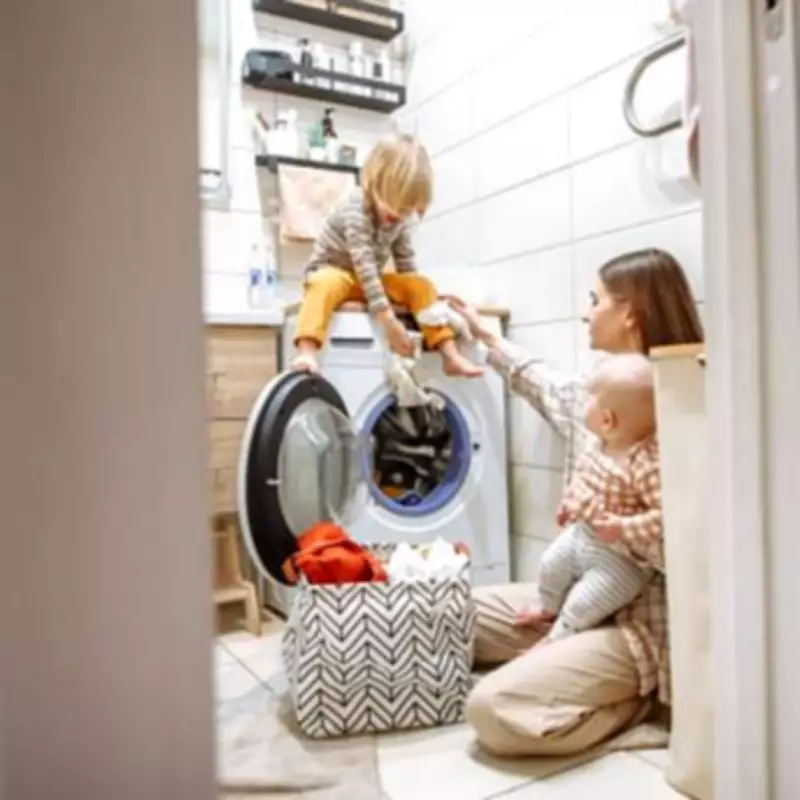
The Energy Saving Trust has issued a stark warning to UK households about everyday laundry habits that are quietly increasing energy bills across the country. According to the organization's latest findings, washing machines alone make up approximately 14 per cent of a typical household's energy expenditure, representing a significant portion of monthly utility costs.
The Financial Impact of Common Household Mistakes
Recent data indicates that the average household in Great Britain currently pays around £79 per month for electricity and £72 for gas. However, the Energy Saving Trust emphasizes that several common household mistakes can push these prices even higher, creating unnecessary financial strain for families.
Among the most prevalent energy-wasting practices identified by experts are running washing machines and dishwashers with small loads, overfilling refrigerators, and neglecting to clean tumble dryer filters regularly. These seemingly minor habits collectively contribute to substantially higher energy consumption throughout the year.

Practical Solutions for Household Savings
The Energy Saving Trust estimates that households could save up to £35 annually by adopting more efficient laundry practices. The organization specifically recommends using full loads when washing and tumble drying clothes whenever possible, as this maximizes energy efficiency per cycle.
Salah Sun, Head of Product Management at appliance manufacturer Beko, provided additional insight into optimizing washing machine performance. "Many modern washing machines are designed with sophisticated technology that detects smaller loads and automatically adjusts water and energy consumption," Sun explained. "This helps maintain efficient washing cycles even when you don't have a completely full drum, depending on the specific program selected."
Sun further cautioned against overfilling washing machine drums, noting that "clothes need adequate space to move freely during the cycle so detergent can work effectively and deliver optimal cleaning results." The appliance expert recommended leaving approximately a hand's width of space at the top of the drum before starting any washing cycle to ensure proper appliance function and garment protection.
Broader Energy Context and Government Response
This household energy advice comes amid broader concerns about energy costs affecting UK residents. Labour Party Prime Minister Sir Keir Starmer recently announced government support measures for people in rural areas experiencing steep increases in heating oil prices.
"The Competition and Markets Authority reported last week what every heating oil customer already knows," Starmer stated. "There are accounts of suppliers cancelling orders and dramatically increasing prices. This kind of conduct is completely unacceptable. If companies have broken the law, there will be legal action."
The Prime Minister continued, "Because it's clear this market is under-regulated, we're going to address this issue to ensure customers receive fair treatment. However, we won't simply wait for regulatory changes. I'm announcing immediate support for vulnerable heating oil customers today, providing £53 million for households most affected by these price increases."
The Energy Saving Trust's recommendations highlight how small behavioral changes in daily household routines can yield meaningful financial savings while reducing overall energy consumption. As energy costs remain a significant concern for UK households, these practical tips offer accessible ways to manage expenses without compromising cleanliness or convenience.