Campaigners Push for UNESCO Status for Birmingham's Iconic Balti Dish
A group of restaurant owners in Birmingham is spearheading a campaign to have the city's iconic balti dish recognized under a cultural heritage scheme, with the ultimate goal of securing UNESCO Intangible Cultural Heritage status. This initiative aims to preserve and promote the dish's authenticity and cultural importance for future generations.
The Heart of the Effort: The Balti Triangle
At the core of this movement are businesses located in Birmingham's renowned Balti Triangle, situated in the south-east of the city. These restaurateurs have formally submitted an application for recognition, highlighting the balti's unique place in both local and global culinary landscapes.
What UNESCO Recognition Entails
UNESCO's Intangible Cultural Heritage designation celebrates and helps safeguard cultural traditions that are passed down through generations. When a food tradition is listed, it is officially acknowledged as part of humanity's shared cultural heritage. This recognition goes beyond the recipe itself to include the history, skills, rituals, and social practices associated with the food. A key objective is to protect techniques that might otherwise fade away, as seen with past recognitions like Neapolitan pizza in Italy.
Why the Birmingham Balti Deserves This Honor
Food historian Andy Munro has long advocated for the balti's protection, and here are the compelling reasons why this dish merits UNESCO status:
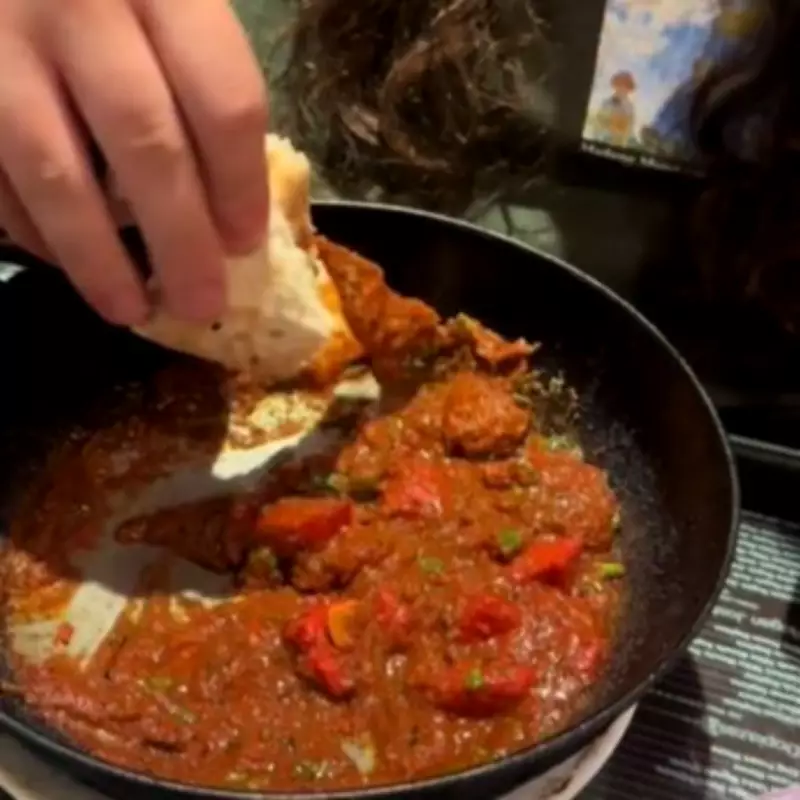
- Unique Culinary Innovation: The Birmingham balti is not merely another curry; it is a distinct style of cooking developed in the city during the late 20th century. Unlike traditional South Asian dishes, baltis are cooked and served in a thin, pressed-steel bowl over a high flame, resulting in a fast, fresh, and intensely flavoured meal. This hybrid technique represents a genuinely original contribution to global cuisine.
- Cultural Fusion: The balti serves as a powerful symbol of multicultural Britain. Created by Kashmiri and Pakistani immigrants in Birmingham, it blends South Asian culinary traditions with British dining habits. This cultural fusion mirrors the lived experience of migration and integration, aligning perfectly with UNESCO's emphasis on intangible cultural heritage.
- Roots in Local Identity: In areas like the famous Balti Triangle, the dish is more than just food; it is an integral part of Birmingham's identity. For nearly half a century, locals and visitors have associated the city with the balti, making it a defining regional specialty comparable to Naples and pizza or Champagne and sparkling wine.
- Social Tradition: Balti dining is inherently communal. Meals are often shared, with naan bread used to scoop curry directly from the dish. This informal, social style of eating fosters connection and reflects deep traditions of hospitality, which are crucial aspects of intangible cultural heritage.
- Preserving Culinary Heritage: The balti method—high-heat cooking in a wok-like steel bowl with fresh spices—is a specific culinary technique that risks being lost as dining trends evolve. UNESCO recognition would help preserve these traditional methods and ensure they are transmitted to future generations, safeguarding a vital piece of culinary history.
The balti has been a staple of Birmingham's food scene for decades, and this campaign underscores its enduring significance. By seeking UNESCO status, supporters hope to cement the dish's legacy as a cherished cultural treasure that reflects the city's rich diversity and innovation.