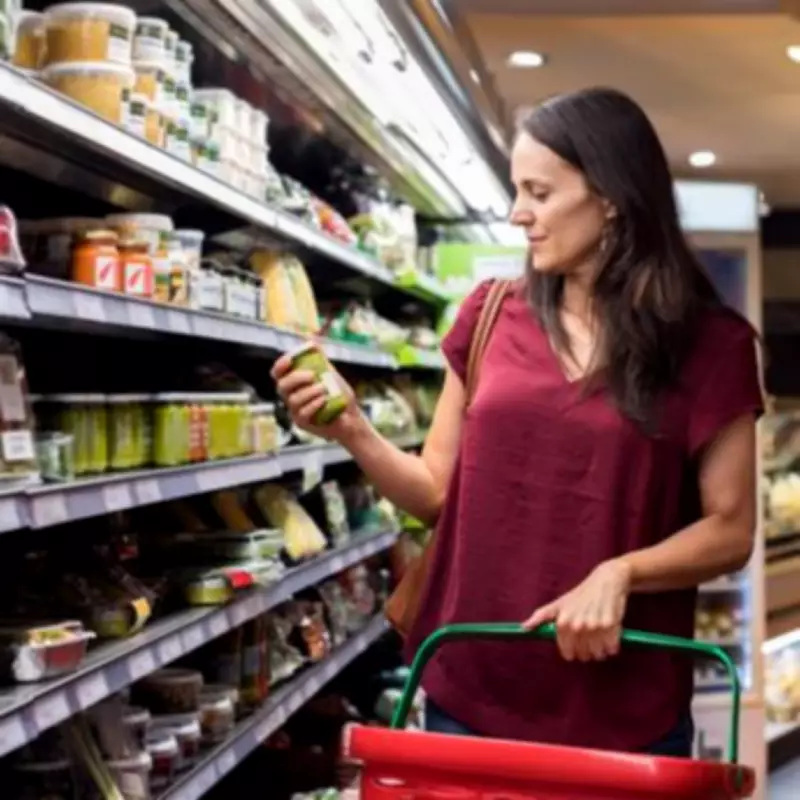
Birmingham Families Warned Over Nine Per Cent Supermarket Price Hikes
New figures suggest food inflation could reach nine per cent in the United Kingdom this year, with Birmingham families facing significant price increases in city supermarkets. The Food and Drink Federation now predicts prices in the food and drink industry will rise by at least nine per cent by the end of 2026, regardless of whether the Strait of Hormuz reopens to cargo traffic.
Tripled Forecast Due to Middle East Conflict
This forecast has almost tripled previous predictions made prior to war breaking out in the region, which previously stood at 3.2 per cent. Conflict in the Middle East is continuing to push up energy prices, creating unprecedented challenges for the food industry.
Dr Liliana Danila, chief economist at the Food and Drink Federation, told the Guardian that the industry is already dealing with large hikes in transport, packaging and energy costs, alongside disruptions across supply chains.
"The current situation is unprecedented and hard to predict," she said. "Given the scale and speed of these cost increases, and despite companies' best efforts not to pass price increases on, it's clear that food inflation is going to rise in the months ahead."
Assumptions Behind the Nine Per Cent Forecast
The nine per cent inflation forecast is linked to two key assumptions:
- The Strait of Hormuz will reopen to cargo traffic within the coming weeks
- The majority of major energy facilities, including gas and oil sites, will return to normality within the year
However, even with these optimistic assumptions, significant price increases are expected to impact Birmingham shoppers.
Household Struggles Across the UK
News of the forecast comes as a new survey reveals half of UK households are now struggling to afford everyday items. The cost of living continues to strain families across Britain, with heightened tensions in the Middle East driving up prices for essential items including oil, petrol and crop fertiliser.
Which?'s most recent consumer insight tracker discovered that pressures on households have forced an estimated 14 million Brits to carry out at least one adjustment to cover the cost of daily essentials. These adjustments include:
- Opening savings accounts
- Selling personal goods
- Borrowing money from various sources
Consumer Confidence Hits New Low
Which?'s data revealed Brits' confidence in the future of the UK economy dropped 13 points to a score of -56 in the month to 13 March. This represents the lowest level recorded since the end of 2022, according to the tracker.
Other results from Which?'s survey showed that 26 per cent of UK households now look to dip into their savings to close the gap between income and the cost of essentials. This financial strain is particularly concerning for Birmingham families already facing rising supermarket prices.
The combination of food inflation, energy price increases and broader economic uncertainty creates a challenging environment for households across the West Midlands region. As supply chain disruptions continue and Middle East conflicts affect global markets, Birmingham residents may need to prepare for sustained price pressures in their weekly shopping.