Birmingham's Sausage Dynasty: A Fifth-Generation Family Legacy
In the heart of Birmingham, a remarkable family business continues to thrive after more than a century. AW Lashford's, founded in 1889 by brothers Albert and William Lashford, represents one of the city's enduring culinary institutions. What began as a Victorian-era butcher's shop in Kings Heath has evolved into a global operation that still handmakes every sausage at their Kings Norton factory.
Royal Connections and Historical Roots
Darren Lashford, the fifth-generation heir to this sausage dynasty, proudly displays archival treasures in the factory. Framed letters from Buckingham Palace and Clarence House thank the family for sausages dedicated to Charles and Diana's 1981 wedding. "The 'Royal Sausage' line lasted longer than the marriage," Darren notes with a smile. Another framed heirloom features a handwritten letter from former Prime Minister John Major, acknowledging their supply of faggots to Downing Street.
The Midlands has long been sausage country, with regional specialties like the Worcester Jubilee flavored with Worcestershire sauce and the garlicky Rutland. Historically, Britain's climate necessitated fresh sausages meant for prompt cooking, unlike the cured varieties popular on the continent. "Leave pork strung up in Seville and you might get chorizo," Darren explains, "leave it lingering in medieval Moseley and you risk something far less appetising."
Surviving Wars and Changing Times
The sausage landscape transformed dramatically during the world wars. Rationing and meat scarcity forced manufacturers to bulk out recipes with water and rusk, creating sausages that would pop in the pan and earning them the enduring nickname 'bangers'. Despite these challenges, Lashford's survived and became "an integral part of Kings Heath," according to Darren.
By the 1980s and 1990s, as Darren's father took over, the business began focusing on awards and recognition. The Birmingham Post dubbed them the "Sausage Capital of the Midlands" in 1994, and they earned Speciality Sausage Master status in 1997. However, national trends began threatening high street butchers, with independent shops declining from nearly 23,000 in 1980 to just 10,800 by 1997.
"We had to move away from retail because supermarkets were growing," Darren explains. Consequently, pubs, shops, hotels and restaurants became Lashford's main revenue stream, a model that continues today.
Traditional Methods in a Modern Factory
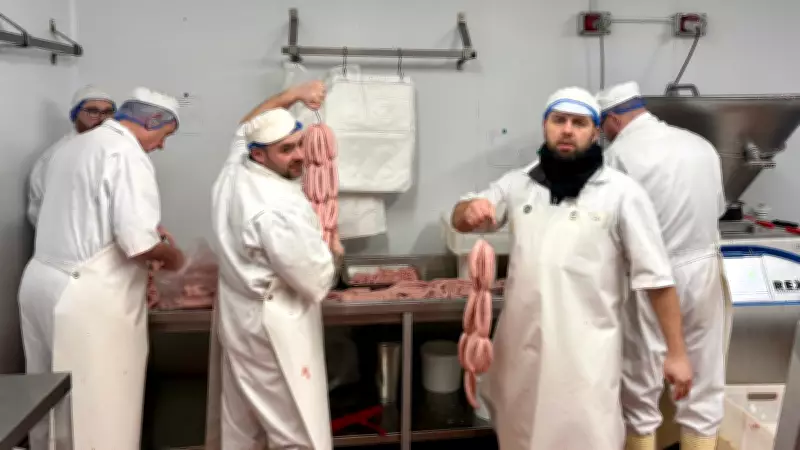
Inside the factory, the production process remains proudly traditional. "We go for the old traditional method," Darren declares. "Handmade is our USP." Workers follow a meticulous process of meat grinding, adding herbs, spices, and secret family ingredients before hand-pushing the mixture into casings. Some employees have been with the company for decades, inherited along with the recipes from previous generations.
The factory produces at least 50,000 sausages daily, with two production lines operating normally and up to four during the Christmas rush. Workers begin their shifts early, with some having made sausages for over eight hours by 9:30am.
Adapting to Birmingham's Diversity
Darren acknowledges the challenges of operating in one of Britain's most diverse cities. Based on 2021 census data, 51% of Birmingham's population comes from Black, Asian or other minority ethnic groups, with 29.9% identifying as Muslim. "There are areas that are heavily Asian, and heavily Muslim based, that we simply don't sell as much in," he admits.
This diversity reflects a long history of sausage variety in Britain. From German frankfurters to Polish kiełbasa krakowska, immigrants have introduced new sausage types to British diets for centuries. Jewish families brought beef and chicken alternatives, while today's supermarkets feature chorizo alongside traditional British bangers.
Global Reach from Birmingham
While adapting to local diversity, Lashford's has also expanded globally. One of their most loyal customers, a gentleman from Solihull, imports their sausages to his hotels, cafes, resorts and restaurants in Dubai. This responds to rising demand from non-Muslim residents in the UAE, where the British population has doubled since 2020 to approximately 240,000.
In 2024 alone, 104 tonnes of pork products were imported from the UK to the UAE, demonstrating the ongoing international appeal of British sausages.
Preserving Heritage in a Changing World
As Birmingham has seen many culinary institutions absorbed into larger corporations, Lashford's has bucked this trend. The family business remains independent and family-run, with Darren taking over fewer than ten years ago after studying environmental science at university.
When asked about the future and whether his five-month-old son might continue the dynasty, Darren remains philosophical. "As long as he's happy," he shrugs. For now, the factory continues producing sausages that travel from Birmingham to Dubai, maintaining connections with royal patrons and local enthusiasts alike.
Among their regular customers, they count one particularly enthusiastic supporter much closer to home. A committed customer in Stratford-Upon-Avon owns a sausage dog with a very appropriate name: Lashford.