Weetabix vs Supermarket Brands: The Ultimate Breakfast Cereal Showdown
Iconic television advertisements from the 1980s and 1990s have cemented Weetabix in British breakfast culture, with memorable slogans like "How many do you do?" and "Have you had your Weetabix?" suggesting superhuman energy levels. While the marketing claims may be exaggerated, Weetabix remains a popular low-sugar, high-fibre breakfast option that provides lasting fullness throughout the morning. Typically served with milk and topped with berries, sliced banana, or Greek yoghurt for added nutritional benefits, this cereal faces stiff competition from significantly cheaper supermarket alternatives.
The Price Disparity That Sparked Investigation
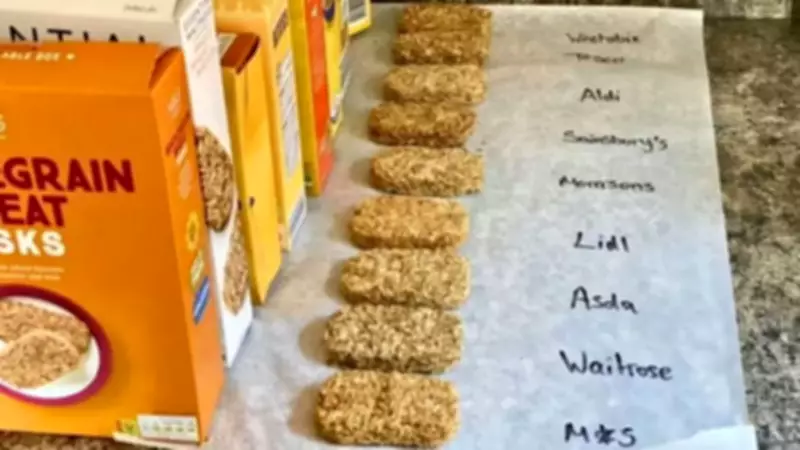
Journalist Angela Patrone, writing for the Express, expressed shock at discovering a standard 24-pack of Weetabix priced at £3.50 in Sainsbury's, while most supermarket own-brand versions retail between £1.70 and £2.00. In pursuit of genuine money-saving opportunities, she embarked on a comprehensive taste test to determine whether any budget alternatives could rival the original product's quality.
Although not a regular Weetabix consumer, Patrone systematically evaluated the market leader alongside wheat biscuits from Aldi, Asda, Lidl, Marks and Spencer, Morrisons, Sainsbury's, Tesco, and Waitrose. Her methodology involved observing milk absorption rates, assessing flavour profiles, evaluating texture consistency, and awarding scores out of ten. "I found some of them cardboard-like, but my favourite turned out to be one of the cheapest on the list," Patrone remarked.
Supermarket Brand Breakdown: From Cardboard to Culinary Triumph
Aldi (£2.19 - Score: 4/10)
Available exclusively in 36-packs, Aldi's wheat biscuits demonstrated rapid milk absorption, transforming into soggy, mushy consistency with bland, cardboard-like flavours that failed to impress.
Asda (£1.77 - Score: 7/10)
As the most affordable option tested, Asda's wheat biscuits earned a place in the top three by maintaining structural integrity when combined with milk, while delivering satisfactory flavour that justified their budget price point.
Lidl (£2.19 - Score: 3/10)
Similar to Aldi, Lidl offered only 36-packs that absorbed milk excessively quickly, resulting in disappointing sogginess and unappealing taste that placed them near the bottom of the rankings.
Morrisons (£1.90 - Score: 2/10)
Morrisons produced the worst-performing wheat biscuits in the entire taste test, featuring accelerated milk absorption accompanied by persistently unpleasant cardboard flavours that lingered unpleasantly.
Marks and Spencer (£2.10 - Score: 6/10)
Priced identically to Waitrose, M&S wheat biscuits delivered relatively good flavour but struggled to maintain optimal texture compared to superior competitors in the testing lineup.
Sainsbury's (£1.80 - Score: 10/10)
The undisputed champion of the taste test, Sainsbury's own-brand wheat biscuits achieved perfection in texture, taste, and subtle sweetness. "If it wasn't for the box, I would've thought this was a top brand," Patrone enthused. These biscuits retained pleasant firmness when milk was added without becoming dry, offering nearly £2 in savings compared to Weetabix while delivering superior quality.
Tesco (£1.80 - Score: 9/10)
Another budget-friendly standout, Tesco's wheat biscuits impressed with delicious flavour, hearty taste profiles, and excellent texture maintenance in the breakfast bowl, representing an uncanny supermarket replication of the original product.
Weetabix (£3.50 - Score: 6/10)
The original brand earned praise for its practical paper packaging but disappointed in flavour delivery. "Having not had Weetabix for a long time, I was expecting big things, but they didn't taste how I remembered," Patrone noted. While texture remained commendable, the overall experience failed to justify the premium price tag.
Waitrose (£2.25 - Score: 3/10)
Despite higher pricing expectations, Waitrose wheat biscuits landed in last place due to terrible taste that overshadowed their acceptable texture, proving that premium supermarkets don't always deliver superior breakfast cereal experiences.
Conclusion: Smart Savings Without Sacrificing Quality
This extensive taste test demonstrates that supermarket own-brand wheat biscuits frequently outperform the original Weetabix in both flavour and value for money. With Sainsbury's emerging as the clear winner and Tesco providing excellent alternatives, consumers can save substantial amounts on their weekly grocery bills while enjoying superior breakfast experiences. The investigation reveals that brand loyalty may be costing British households unnecessary expenses, with smarter shopping choices offering both financial savings and enhanced culinary satisfaction.