Northern Water Firms Face 500 Environmental Breaches Amid Increased Scrutiny
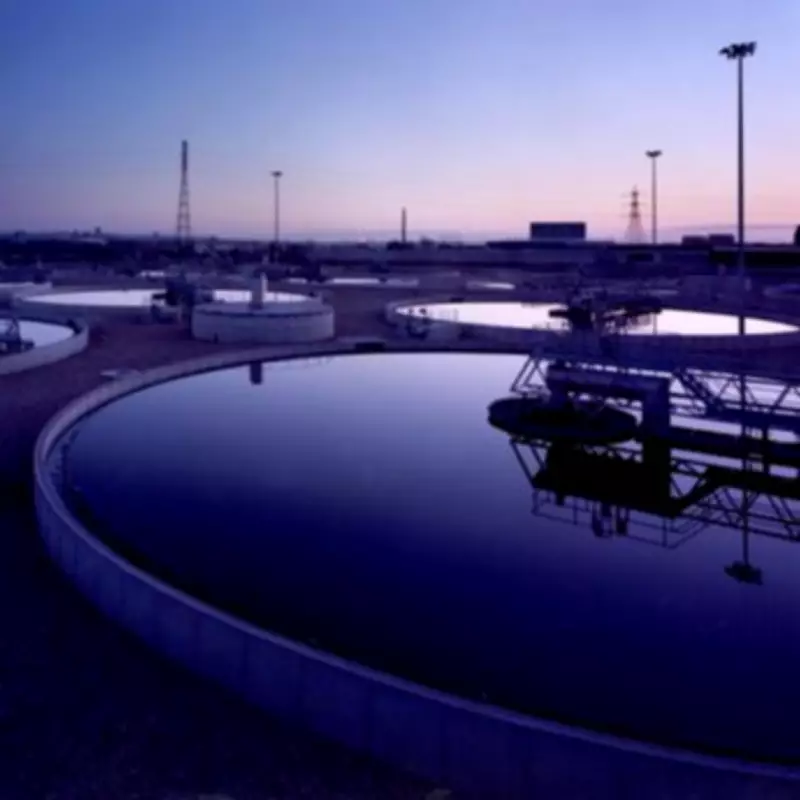
Regulators have discovered almost 500 violations of environmental regulations by water companies operating in Northern England during the past year. This revelation comes as the Environment Agency significantly expanded its inspection program, conducting a record number of checks on treatment facilities, sewage pumping stations, and storm overflows.
Unprecedented Inspection Levels
The Environment Agency completed more than 3,300 inspections of assets belonging to United Utilities, Yorkshire Water, and Northumbrian Water throughout the year. These comprehensive checks revealed 495 permit condition breaches across Northern regions, where companies failed to meet environmental legislation requirements. Nationally, inspectors identified more than 3,000 breaches during this intensified monitoring period.
Regulatory Response and Industry Reactions
Helen Wakeham, director for water at the Environment Agency, emphasized the preventive nature of these inspections. "Our teams issued over 3,000 individual actions to water companies," she stated, "including requirements to repair sewage works and upgrade infrastructure. This coordinated approach will drive meaningful performance improvements, hold persistent offenders accountable, and ultimately create a cleaner water environment."

Water minister Emma Hardy highlighted government investment in regulatory oversight. "Thanks to our investment in the Environment Agency, inspectors are checking water company assets at unprecedented levels and taking action where standards aren't met," she explained. "This greater oversight, combined with our long-term reforms, will prevent problems before they occur and ensure serial offenders face appropriate consequences."
Industry Perspectives and Challenges
Stephanie Pullan, director of asset management at Yorkshire Water, acknowledged the findings while defending her company's approach. "We remain absolutely committed to achieving 100% compliance at all our wastewater assets," she said. "While many identified breaches were minor, we take all breaches seriously and act quickly to remediate any issues. We have clear plans to improve compliance, including increased internal inspections and technology deployment to identify potential problems early."
A Northumbrian Water spokesperson welcomed the inspections, noting that "no serious issues have been reported" during visits. "Where actions are identified, they are usually minor, such as labeling or routine maintenance requirements," the spokesperson added. "We're committed to improving performance and investing £1.7 billion on environmental improvements between 2025 and 2030 to reduce spills and enhance our coasts and rivers."
United Utilities did not respond to requests for comment regarding the inspection findings.
Campaigner Concerns and Future Outlook
James Wallace, chief executive of campaign group River Action, expressed cautious optimism about the increased scrutiny. "It is good to see the Government getting serious about water quality, but inspections alone will not fix the problem," he cautioned. "With prosecutions taking years to reach court and fines remaining insufficient, water polluters are not being properly held to account. The upcoming Water Reform Bill represents a once-in-a-generation opportunity to reset the entire system."
The Environment Agency's expanded inspection regime represents a significant shift toward greater accountability in the water industry. As regulatory pressure intensifies and public concern grows about water quality, companies face mounting expectations to improve environmental performance and infrastructure resilience across Northern England and nationwide.