Start Home Solar for Under £200 Before UK Rule Change
Plans to allow plug-in solar panels are driving huge interest across the UK, but a cheap DIY setup is already possible using discounted components available right now. Brits are being promised a major shake-up in how home solar works, with ministers signalling plans to make plug-in panels far easier to install. That shift, combined with soaring energy costs, has sparked a surge of interest in affordable, DIY solar setups.
Big Change Under Discussion
The big change under discussion would allow solar systems to be plugged directly into household sockets, removing one of the biggest barriers to entry. Retailers are already preparing for demand, with reports that entry-level kits could land at around £400 once rules are updated. That’s already fuelling curiosity among homeowners and renters alike, especially with budget supermarket ranges and DIY options expected to follow. But you don’t actually need to wait for those changes to get started.
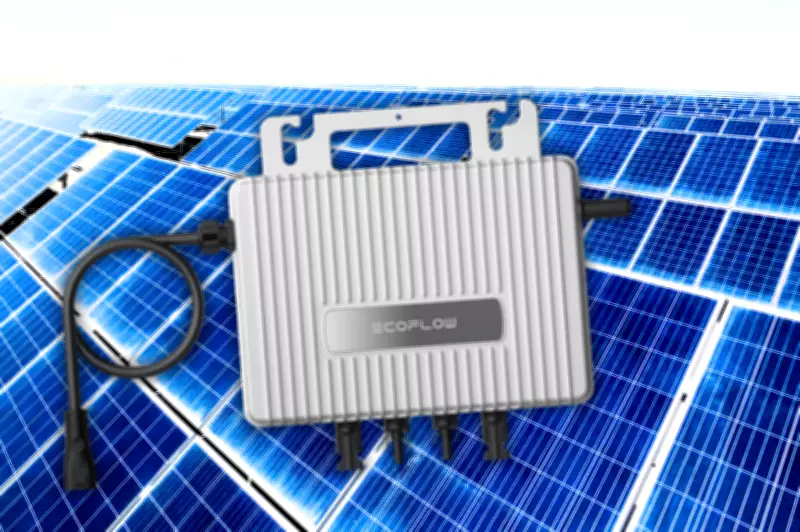
Right now, there’s a way to build the foundations of a home solar setup for under £200, using a mix of discounted components that are already available online. A current Amazon deal on the EcoFlow Stream 800W microinverter brings the price down to £129, and when paired with a low-cost 410W solar panel, it creates a simple entry point into generating your own electricity at home.

How Plug-In Solar Panels Work
The panel converts sunlight into energy, and the microinverter converts that energy into usable AC power compatible with your home's electrical system. Amazon's deal brings the price of the EcoFlow Stream 800W microinverter down to just £129, thanks to a 28% discount. The cheapest way to buy solar panels is usually from City Plumbing, and they're offering a 410 watt panel for just £56.74 plus delivery. Include the cost of some leads to connect the solar panel, and you've got the basic elements for £200.
Legal Considerations and Setup Tips
Importantly, however, it is not currently legal to simply plug the microinverter into your household socket. That is set to change, but if you can't wait to set up your solar, you'll have to wire it into your household electrical system. It's a job that's beyond the range of all but the most competent DIYers, so budget for a quick visit from an electrician. You might also need to budget for some mounting accessories for your panel, especially if you're planning to attach them to a balcony or a fence. Shed or garage roofs will make things easier, but it's still wise to fix the panel down.
A 410W output from a solar panel will cover the base load of most homes, so on a sunny day you won't be using any electricity from the grid. Adding a battery to the system would be a good idea, especially if you want to add more solar panels in the future. EcoFlow's Stream series is on sale at the moment, but prices still start at around £800. A cheaper option would be to add a portable power station into the mix, and Amazon has a refurbished EcoFlow Delta on offer for just £399. Adding a battery means any energy you make over and above your home's base load will be stored for later use, instead of being pumped back into the grid.
Savings and Benefits
A domestic solar setup, even a small one, could save at least a pound a day during the sunnier months, so it will slowly recoup the cost over a period of time. But the joy of being able to glance at your smart meter and see zero energy being pulled from the grid will pay for itself instantly. Amazon Prime members get free delivery on eligible items. Non-Prime customers may pay delivery charges depending on the order.