The Impact of Spring Clock Change on Sleep and Wildlife
The transition to British Summer Time has arrived, bringing darker mornings and lighter evenings, along with a widespread sense of fatigue across the country. As clocks spring forward, Lydia German explores the effects this time shift has on both human health and local wildlife. If you have been feeling unusually tired and irritable since the clocks advanced on Sunday, you are not alone, and these sensations are not imaginary.
Scientific research indicates that moving forward by just one hour can induce symptoms akin to jet lag. This minor adjustment in time can significantly disrupt our internal circadian rhythm, the body's natural 24-hour clock, and is typically more challenging for our systems than gaining an hour in autumn.
Effects on Pets and Wildlife
Humans are not the only ones affected by this change. Pet owners may notice their four-legged companions seeking walks or meals earlier than usual in the coming weeks. Pets and wildlife depend on their own circadian rhythms and sensory signals to anticipate daily activities such as feeding, hunting, and sleeping.

Despite the fatigue, the arrival of spring after a cold, wet winter is a cause for celebration. Lighter evenings soon offer the prime opportunity to enjoy new wildlife sightings. For instance, after relocating within Bolton over a year ago, one of the great joys has been spending evenings observing spring and summer wildlife, including bats swooping overhead and hedgehogs in local woodlands.
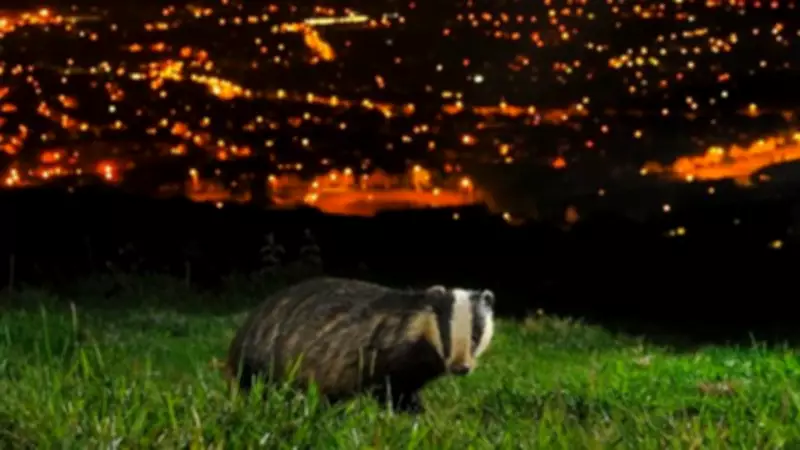
Hedgehogs, surprisingly, are not as quiet as one might assume, with their rustling sounds being quite loud. However, this season also brings increased dangers for wildlife. Foxes, badgers, and hedgehogs face a higher risk of vehicle collisions as longer days encourage more outdoor social activities.
Rising Road Collision Risks
A 2025 analysis by Churchill Motor Insurance revealed that May is the most hazardous month for animal-vehicle encounters on roads. In the North West, England recorded the highest number of such incidents last year, with 1,246 reported collisions.
The report cites several factors for this spike, including young animals beginning to roam and explore new territories, as well as reduced visibility due to thicker road verges from spring growth. It is crucial to remain vigilant on roads, especially near wildlife-related signage.
Drivers should reduce speed in rural areas, particularly where dense vegetation obstructs views around sharp corners. While the shift to lighter evenings signals spring's arrival, it also necessitates slowing down and adjusting for both human wellbeing and wildlife safety.
As nature enters a busy and vulnerable phase, increased awareness can help ensure that both people and wildlife transition safely into the brighter months ahead. By Lydia German from The Wildlife Trust for Lancashire, Manchester and North Merseyside.