You don't have to travel far to find show-stopping wildlife in Greater Manchester. As she prepares for a new chapter, Lydia German looks back on the surprising discoveries that reveal a different side of the region.
Greater Manchester is famous for its music, football, industry and ever-changing city skyline. What doesn't tend to come to mind as quickly is how amazing our wildlife is.
As my time with Lancashire Wildlife Trust comes to an end next week and I begin a new chapter with The Science Museum Group, I've found myself reflecting on the places, people and wildlife that have made me see our region in a completely different light.

Consider the fact that we have carnivorous plants growing on our peatlands ten miles from Manchester city centre, rare butterflies making a comeback on restored sites, and the world's fastest animal - the peregrine falcon - frequently hunting above Bolton Town Hall.
One of my favourite bits of 'local lore' is that the large heath butterfly, which can be found on our peatlands, was once so closely associated with us that it earned the nickname 'Manchester Argus' - how iconic! Following local extinction, it was reintroduced to Little Woolden Moss in Salford after the pandemic, bringing a small but significant piece of our natural history back home. As the title suggests, not all Manchester legends wear football boots or parkas.
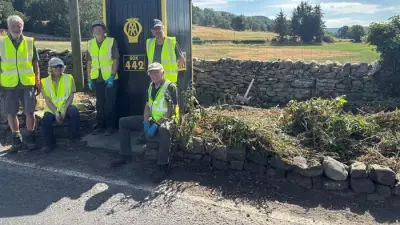
I'd also say I've been just as inspired by people as I have by wildlife. Through my campaigning work, attending community events, co-hosting hustings and having conversations with MPs and councillors, I've seen first hand how deeply people across Greater Manchester care about nature. I've received letters from residents passionate about protecting local green spaces and watched volunteers transform places like Cutacre, on the Wigan and Leigh border, into thriving habitats bursting with life.
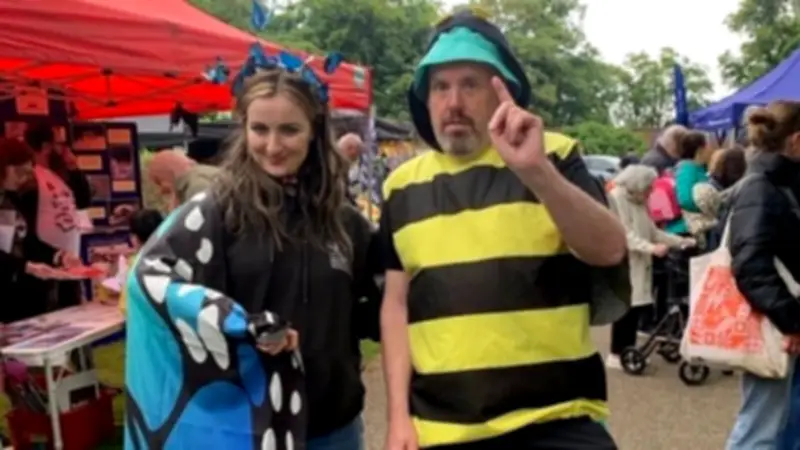
Lastly, I can't forget to mention one of the most whimsical events that takes place in Greater Manchester. Every June, thousands of people come together for the Manchester Festival of Nature in Heaton Park. I've been incredibly lucky to have this job, and this is one of the events where I feel immense gratitude that I've been able to be part of such an event. How many other people can say they spent a working day dressed as a bee or butterfly for the famous pollinator parade?
The free festival is taking place again next Sunday, June 28, from 12 noon until 4pm. Come along and learn more about the fascinating wildlife in our region. As I head back to working in Manchester city centre at the Science and Industry Museum, I'll be taking these experiences with me and holding them close to my heart. My departing advice to all readers is a simple one - look a little closer. Whether it's a peregrine soaring overhead, a dragonfly in your local park or a walk across a peatland reserve, Greater Manchester's wild side is never as far away as you think.
By Lydia German for The Wildlife Trust for Lancashire, Manchester and North Merseyside. To become a member, go to the website at www.lancswt.org.uk or call 01772 324129. For more information about Cheshire Wildlife Trust call 01948 820728 or go to www.cheshirewildlifetrust.org.uk.