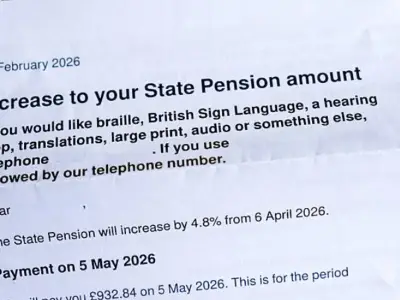
The Winter Fuel Payment is returning under the new Prime Minister Andy Burnham, with an extra £100 for state pensioners born before 1946. The Department for Work and Pensions (DWP) has confirmed that most payments will be made automatically in November or December.
The payment is designed to give older people reassurance they can afford to heat their homes in winter. It is paid to those who have reached State Pension age on or before the end of the qualifying week, which is the week beginning the third Monday of September each year. Retirees must also meet other entitlement conditions, such as not receiving free hospital treatment for more than a year.
Payment amounts and eligibility
Households will receive an automatic payment of either £200 per household, or £300 where there is someone over 80 in the household. The £300 rate applies to those born before 1946, providing an extra £100 compared to the standard rate.

Money Saving Expert, the personal finance group founded by Martin Lewis, explained: "Payments are usually made automatically in November or December (if you need to call the helpline to claim, it will be paid later than this). If you're on the state pension or in receipt of another benefit from the Department for Work and Pensions then you should receive it automatically, paid in the same way as the other benefit you receive."
How to claim if needed
According to Money Saving Expert, those who have not received the Winter Fuel Payment before and do not receive benefits, or who have deferred their state pension, may need to claim. They can do so by completing the Winter Fuel Payment claim form.
The payments are overseen by Mr Burnham, who succeeded Sir Keir Starmer as Prime Minister after winning the leadership. In his first cabinet meeting, Mr Burnham said his would be a "cost of living government".
Budget and political context
Chancellor John Healey will deliver his first Budget on 28 October. The return of the Winter Fuel Payment marks a significant policy shift under the new leadership, with the extra £100 for pre-1946 pensioners being a key element of the cost of living agenda.