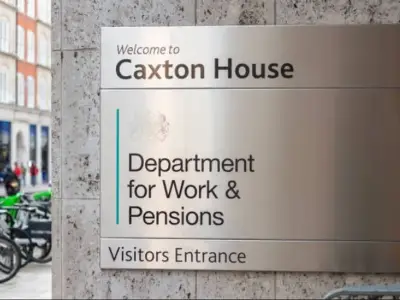
More than 40 charities have written to the Department for Work and Pensions (DWP) and review head Alan Milburn, urging them not to remove the health element of Universal Credit for claimants born after 2004. The charities fear that stricter eligibility rules could be introduced for young disabled people and those with long-term sickness.
The letters were sent to Pat McFadden, the Labour cabinet member in charge of the DWP, and Alan Milburn, who is leading the Milburn Review into the so-called NEET crisis. NEET refers to young people aged 16 to 24 who are not in employment, education, or training.
Poverty risk for young claimants
According to the disability charity Scope, around half of households with an under-22 receiving the Universal Credit health element are already in poverty. Scope warns that this could rise to more than nine in ten if the support is removed.

The charities are reportedly concerned that the health element of Universal Credit could be axed for under-22s, specifically those born after 2004, with a disability or long-term sickness. They argue that such a move would have a devastating impact on vulnerable young people.
Government response and youth employment package
A DWP spokesperson said: “We want to see the potential of young people up and down this country fully realised, whether that be through education, training or work. We are pushing ahead with the biggest youth employment reforms in a generation to create almost a million opportunities for young people and our wider £2.5bn youth employment support package includes a new apprenticeship bursary for families on universal credit. We have also commissioned Alan Milburn to investigate the barriers stopping young people from getting into work and look forward to receiving his final report in the autumn.”
The Milburn Review is expected to file its final recommendations later this year. The report is structured in two phases: a discovery phase, which will focus on providing a diagnosis of the increase in the number of young disabled people and those with a health condition who are NEET, and a solution phase, which will explore and identify potential areas for reform.
Next steps for the review
The charities' intervention comes as the review continues to gather evidence. The final report will be submitted to the government in the autumn, and its recommendations could shape future policy on benefits for young people. The DWP has not yet commented on whether the health element will be retained, but the pressure from charities is mounting.