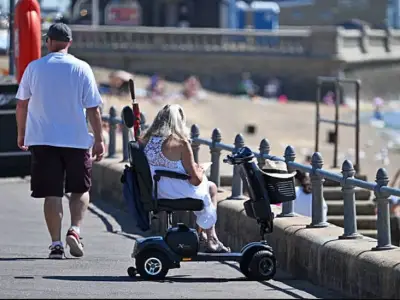
People with disabilities are facing a retirement income crisis, according to a landmark new report. Half of adults whose health conditions affect their daily lives are on course for pension poverty in retirement, almost double the 27% rate for the wider population.
Health Impact on Work
The research from Scottish Widows found that while 60% of UK adults believe they will be fit enough to work until their intended retirement age, nearly three in ten (29%) say their physical or mental health has affected their ability to work over the past five years. One in ten (10%) have stopped working entirely due to health issues, while 7% reduced their hours and 6% moved into less demanding or lower-paid roles.
Retirement Costs
Research published this week by the Pensions and Lifetime Savings Association shows a single pensioner now needs about £13,400 a year for a minimum standard of living in retirement. This rises to £31,700 for a moderate lifestyle and £43,900 for a comfortable one. Against this backdrop, a growing number of people with health conditions face an increasing risk of falling short.

Care Cost Concerns
The study also uncovered widespread worry about the potential cost of care in later life. More than a third (34%) of adults have not considered how they would fund care if needed, while 51% are not confident they could afford it. Among those living with a physical or mental health condition, anxiety is even higher, with 67% lacking confidence in meeting future care costs.
Susan Hope, a pension expert at Scottish Widows, said: "Navigating health challenges is something which many of us will have to face in our later years. Whether it's managing a chronic condition, mental burnout, or working through menopause, physical and emotional struggles often force people to change their working patterns, cut back their hours or drop out of the workforce altogether. This doesn't just affect our day-to-day lives; it often knocks our long-term financial plans off track too."