The family of a Sutton Coldfield man who died from bowel cancer have expressed their dissatisfaction with the care he received, citing delays in treatment, even though the coroner ruled the death was from natural causes.
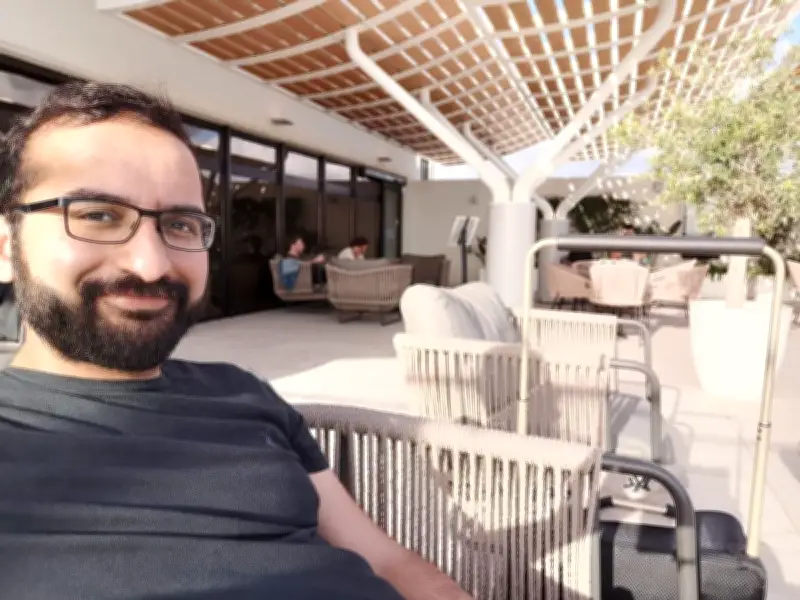
Ravinder Lally, known as Ravi, from Boldmere, passed away on January 2 this year at the age of 39. He had developed bowel cancer despite being under regular surveillance for ulcerative colitis, a condition that increased his risk. The inquest, held at Birmingham and Solihull Coroner's Court, concluded on Thursday, August 6, after two days of evidence.
Coroner's Findings and Family Reaction
Assistant coroner Simon Bletchley recorded a narrative conclusion that Mr Lally died from natural causes, specifically cancer arising from his longstanding ulcerative colitis. While he acknowledged some failings in the care provided by University Hospitals Birmingham NHS Foundation Trust (UHB), he did not find that these failings contributed to Mr Lally's death.

Satnam Lally, Ravi's father, said after the inquest: "We are not really happy with the outcome. As a parent, while it was hard to listen to some of what was shared in the inquest, we have comfort in hearing that Ravi's legacy will live on in the significant changes that have been identified and applied to the colorectal cancer processes to ensure that the failures identified will not re-occur and devastate yet more lives."
Medical History and Treatment Timeline
Mr Lally had ulcerative colitis and was referred to Mr Tirumala Raju, a colorectal surgeon at Good Hope Hospital, in 2018 to discuss surgical options, but he declined surgery at that time. In February 2023, routine surveillance found pre-cancerous changes (dysplasia). Surgical options were discussed in August 2023 with Dr Nusa Yassin, and a three-stage surgery was initiated, with the first stage in October 2023 at Heartlands Hospital and the second in May 2024 at Good Hope Hospital.
During the inquest, Dr Yassin stated she explained all three surgical options, including a pan-proctocolectomy, which removes the entire colon, rectum, and anus, eliminating cancer risk but requiring a stoma. She said Mr Lally was reluctant to undergo such major surgery, and the decision for three-stage surgery was shared.
Cancer Recurrence and Final Days
After the second surgery in May 2024, cancerous cells (adenocarcinoma) were found in the rectum but were believed to have been fully removed. CT scans in June 2024 showed no metastases. Mr Lally underwent chemotherapy at Spire Little Aston, and before the final surgery in November 2024, cancer cells were again detected, leading to radiotherapy.
By June 2025, no cancer was found, but in August 2025, an aggressive form returned. He was referred to St Mark's Hospital in London, a national bowel cancer specialist, and had major surgery in November. However, the cancer had spread, and he was only offered palliative care. He was discharged on Christmas Eve but readmitted to Good Hope on Boxing Day, dying a week later.
Expert Evidence and Coroner's Determination
Professor Steven Brown, an expert in colorectal surgery, was asked whether the cancer came from cells left behind in the rectum or from spillage during surgery. He could not determine which scenario was more likely. The coroner noted that while it was possible the delay in removing the rectum contributed to death, it could not be proven.
Mr Bletchley said: "It was not possible to determine if the delay in the removal of the rectum contributed to his death." He also declined to issue a Prevention of Future Deaths report, as UHB had already implemented recommended actions from a patient safety investigation, including changes to multi-disciplinary meetings and post-consultation letters.
Family's Legal Intentions and Trust Response
Satnam Lally expressed disappointment that the coroner did not direct sharing the recommendations nationally, saying: "There are issues nationally." He added that the family is exploring legal action, which his son had been pursuing before his death.

A UHB spokesman said: "We are saddened by the death of Ravinder Lally and extend our sincere condolences to his family and loved ones. We recognise that Ravinder's family feel we let him down, and we are sorry for their loss and for the distress they have experienced. We take their concerns seriously and will continue to involve patients and their families in helping to inform and improve the care we provide."