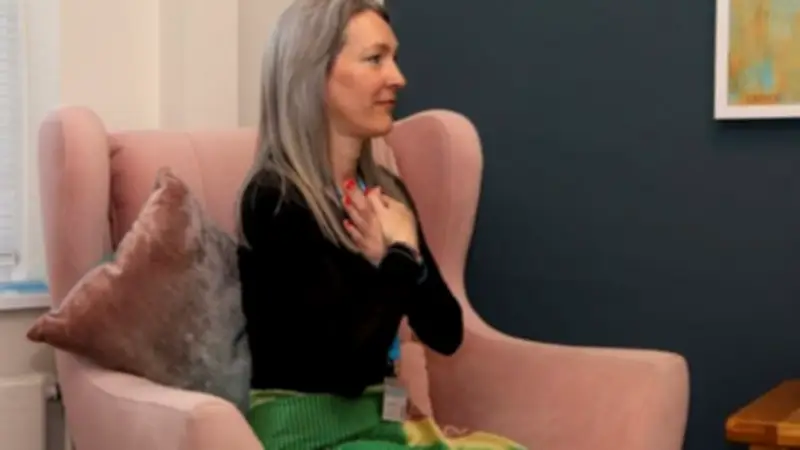
East Cheshire Hospice has sent supporters a breakdown of how donations could help patients, as part of its new More Good Days campaign. The charity aims to highlight the value of its Sunflower Living Well Centre, which provides support for patients, families, and carers after a life-limiting diagnosis.
Donation options and their impact
The hospice's leaflet explains that £26 could pay for a massage with a complementary therapist to help someone relax and recharge. Other suggested donations include £55 for a place on a six-week Share, Talk and Reflect (STAR) group, which offers the chance to share memories and connect with others going through similar experiences.
Further options include £130 for a six-week fatigue, anxiety and breathlessness course (FAB), and £222 for six sessions with an adult bereavement counsellor. The list also includes £396 for six art psychotherapy sessions, which help express emotions that are hard to talk about, and £524 for a place on a 12-week wellbeing programme, offering patients support, compassion, and connection.

Why the campaign is named More Good Days
The hospice chose the name More Good Days to illustrate that patients, families, and carers can find the support needed to live well after diagnosis. The Sunflower Centre helps people rebuild confidence and find a safety net they may not know they needed.
Hospice staff know from experience that once someone is told they have a life-limiting illness, their world can change overnight. The centre aims to provide a stable environment for those affected, helping them navigate the challenges ahead.
Funding and how to support
The hospice receives 21 per cent of its funding from the NHS, though none of this money is allocated to the Sunflower Centre. This means donations are crucial to keeping the centre's services running.
To support the More Good Days appeal, visit www.eastcheshirehospice.org.uk/more-good-days. The campaign provides a clear guide for donors, showing exactly how their contributions can make a difference to patients and their families.