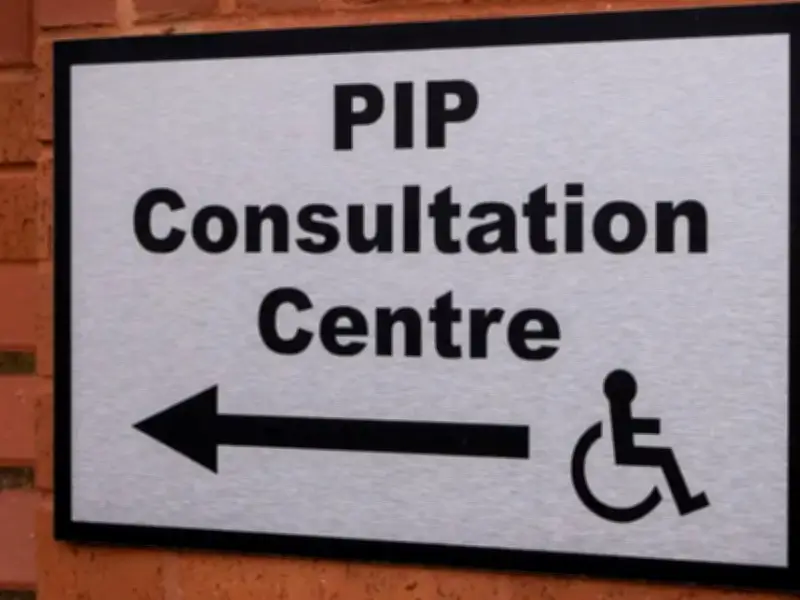
The Department for Work and Pensions (DWP) has made Personal Independence Payment (PIP) reassessments more stringent, leaving many claimants facing tougher scrutiny. However, the Timms Review, which published its interim report last month, could lead to the complete scrapping of unnecessary reassessments for certain individuals.
Success Rates Plummet
Fresh DWP statistics reveal a significant drop in the success rate of PIP assessments. In the three months leading up to April 2026, fewer than 45 per cent of new claims where an assessment had been completed received an award. This marks a notable decrease from the 50 per cent success rate recorded in April 2025.
Overall, for all new PIP claims, the success rate now stands at just 37 per cent, down from 43 per cent in the same period last year. The data also highlights a substantial gap between registrations and clearances: there were 250,000 registrations for new claims, but only 240,000 clearances were processed.

Backlog and Clearance Gaps
The statistics further expose inefficiencies in the system. There were 38,000 reported changes of circumstance, yet only 31,000 were cleared. Similarly, for Disability Living Allowance (DLA) reassessments, there were 24,000 registrations but only 23,000 clearances. Planned award reviews saw 130,000 registrations, but just 120,000 were cleared.
These figures come on the heels of the Timms Review's interim report, led by Sir Stephen Timms, which concluded that PIP is not "fit for purpose" and requires major structural changes. The review has already sparked calls for reform from disability advocacy groups.
MS Society Calls for End to Unnecessary Reassessments
Charlotte Gill, Head of Campaigns at the MS Society, has urged the government to scrap unnecessary reassessments entirely. She stated: "Today’s interim report confirms what disabled people have been saying for many years - that the current PIP system is stressful and exhausting."
Gill emphasised the importance of involving disabled people in shaping a new system: "We’ve been supporting people with MS to share their experiences as part of the Review, and they are clear in their call for a new approach based on fairness, dignity and respect."
Impact on People with MS
Over 150,000 people live with multiple sclerosis (MS) in the UK, with most diagnosed in their 30s and 40s. The MS Society argues that a reformed PIP system must acknowledge invisible and fluctuating symptoms, end unnecessary reassessments, and work for everyone.
Gill added: "This is our chance to build a PIP system that acknowledges invisible and fluctuating symptoms, ends unnecessary reassessments, and works for everyone. But the next steps are crucial - and must continue involving and listening to disabled people. That’s the only way to make PIP fair and fit for the future."
What Lies Ahead
As the Timms Review progresses, the government faces mounting pressure to address the systemic issues highlighted by the data. The review's final recommendations, expected later this year, could reshape the PIP system, potentially reducing the burden on claimants and improving the overall experience.
For now, claimants are advised to stay informed about changes to PIP assessment criteria and to seek support from advocacy groups if they face difficulties during the process.