A damning independent investigation into Sandwell and West Birmingham (SWBH) NHS Trust's maternity and neonatal services has uncovered widespread racism, discrimination, and serious safety concerns, with investigators themselves experiencing racism during a two-day visit to the hospital.
Report Findings: Racism and Discrimination
The trust was among 14 across England examined in Baroness Amos's final report from the Independent National Maternity and Neonatal Investigation. The report describes a "deeply concerning" picture where families and staff experienced discrimination, and the neonatal mortality rate exceeded comparable trusts by more than 5%.
Investigators reported that they personally encountered an incident of racism during their two-day visit to the hospital. The report states: "The evidence gathered during this Investigation presents a deeply concerning picture in SWBH. The Trust's neonatal mortality rate exceeds that of comparable Trusts by more than 5 per cent."

Staff and families described consistent experiences of discriminatory treatment and unequal care based on ethnicity. The report notes: "Families at SWBH described consistent experiences of discriminatory treatment and unequal care based on their ethnicity. The pattern of evidence raises serious concerns about whether all families are receiving equivalent standards of care."
Staff and Patient Experiences
Staff reported witnessing or experiencing racist behaviour from colleagues within maternity and neonatal services. Several families told investigators they would not return to the trust for future care, raising concerns about avoidance of essential medical services.
The report highlights high workloads and staff shortages consistent with national trends, impacting safety and patient experience. It warns: "Taking the evidence we collected, we are concerned about safety for women, birthing people and babies at this Trust. Serious patient safety concerns were raised by credible individuals who had worked at this Trust. These concerns related to instances where harm had occurred."
Trust Response and Apology
SWBH trust chief executive Diane Wake published an open letter apologising for the experiences of women, babies, and families. She said: "We want to begin by saying we are deeply sorry. We are sorry to the women, babies and families whose experiences of our maternity and neonatal services did not meet the standards they have the right to expect."
Wake added: "We are particularly appalled by the accounts of racism and discrimination described within the report. It is unacceptable that any woman or family felt they were not listened to, respected or treated fairly because of who they are or where they come from."
Actions Taken
The trust outlined several measures to address the issues, including changes to senior leadership with a new Director of Midwifery and Head of Midwifery. A zero-tolerance approach to discrimination has been introduced, with strong action promised against any such behaviour.
Twenty-five additional midwives have been recruited, resulting in a 12% increase in the midwifery workforce. Over 80% of women are now seen within 15 minutes of arrival, with a target of 90% by July. A dedicated induction of labour suite has also been opened.
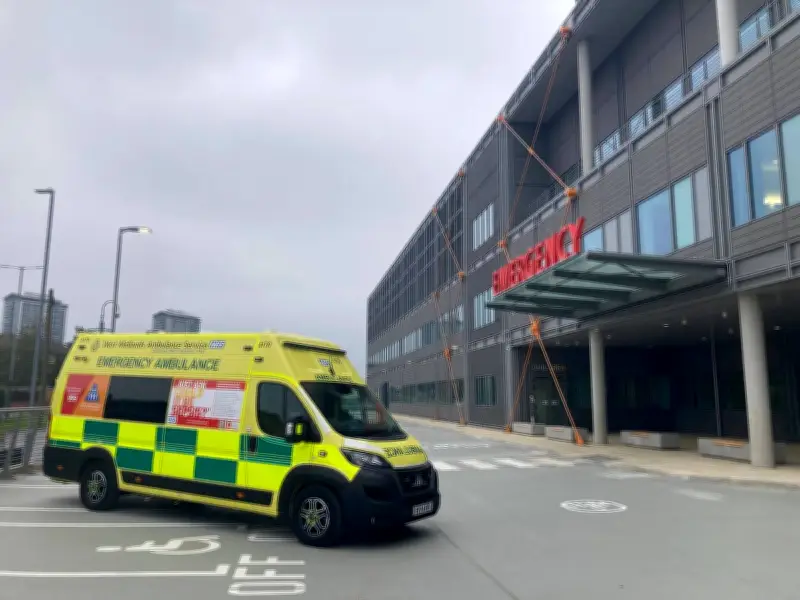
Wake stated: "While the move to our new hospital has improved the physical environment, we recognise that buildings alone do not change culture. The report is clear that deeper cultural and organisational issues must be addressed, and we accept that responsibility."
Impact and Future Steps
The investigation did not review specific reported harms but raised concerns about cultural issues and local procedures affecting safety. Wake urged expectant mothers to contact the trust for care, assuring them of safe, compassionate treatment. She invited families to open days at the maternity department to meet midwives and see the environment.
The report concludes that SWBH must rebuild trust through sustained action, with a focus on equitable care for its diverse community.