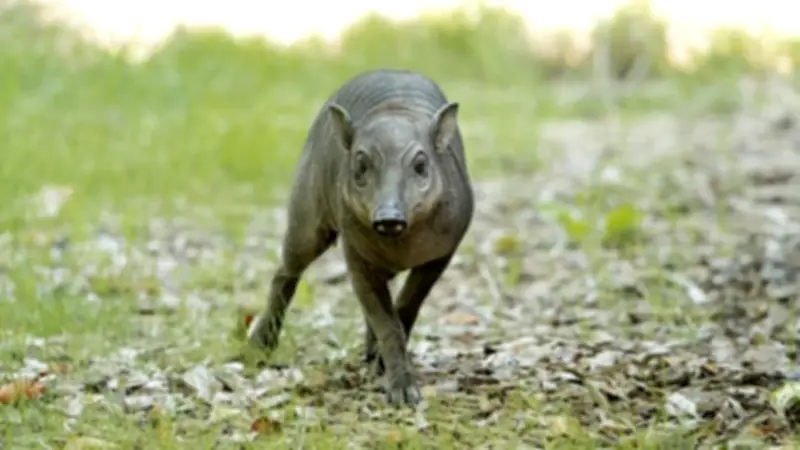
A rare and significant piglet has been born at Chester Zoo, providing a glimmer of hope for a species on the brink of extinction in the wild. The newcomer, named Rana, is an Indonesian babirusa, a unique animal often referred to as a "pig-deer" due to its distinctive appearance.
Rana arrived weighing roughly the same as a grapefruit with legs, marking a crucial moment for conservationists battling to save the species from a devastating disease outbreak. African swine fever has wreaked havoc on wild babirusa populations across four Indonesian islands over the past five years.
A Birth That Matters
The International Union for the Conservation of Nature is set to officially upgrade the babirusa's status to critically endangered, reflecting the severity of the situation. This birth is a beacon of hope, but the challenges remain immense.

Hannah Owens, a zookeeper at Chester Zoo, expressed her joy and concern: "This is the first babirusa birth we've had here for a few years, and Rana is a very special little lady. When she was born, she was tiny - about the size of a grapefruit, with legs."
Owens added: "While babirusas are doing well in our care, I'm worried because they are really struggling in the wild. The numbers are radically reducing, and it would be horrendous if they disappeared, because they are amazing, charismatic animals."
Low Birth Rates Complicate Recovery
Unlike regular pigs that give birth to large litters, babirusa mothers typically have only one or two piglets at a time. This low birth rate makes it extremely difficult for wild populations to bounce back when disease strikes, as each loss is significant.
Keepers at the zoo meticulously prepared for Rana's arrival. They counted back 161 days from when mother Matano mated with male Bamm Bamm, creating a quiet space for her to give birth. To avoid disturbing the new mother and baby, staff monitored them remotely using a baby monitor.
Global Conservation Efforts
The 65-year-old zoo is part of a global initiative working alongside Indonesian partners to protect remaining wild babirusa populations. Conservationists employ camera traps to track the animals and share breeding expertise to help boost numbers, but the clock is ticking.
Amy Humphreys, a conservationist, underscored the urgency: "We are in a race against time to understand what's happening to the population. Babirusas are important to island ecosystems as they drop seeds as they forage, helping forest regeneration, and they are a key indicator species for overall ecosystem health, but their situation is bleak."
Humphreys continued: "We risk losing a truly unique species, one that's an important part of Indonesia's cultural and natural heritage and one of the oldest pig species still living. Because of all this, Rana's arrival is worth celebrating."
Rana's birth at Chester Zoo not only brings joy but also serves as a stark reminder of the fragility of biodiversity and the urgent need for conservation action.