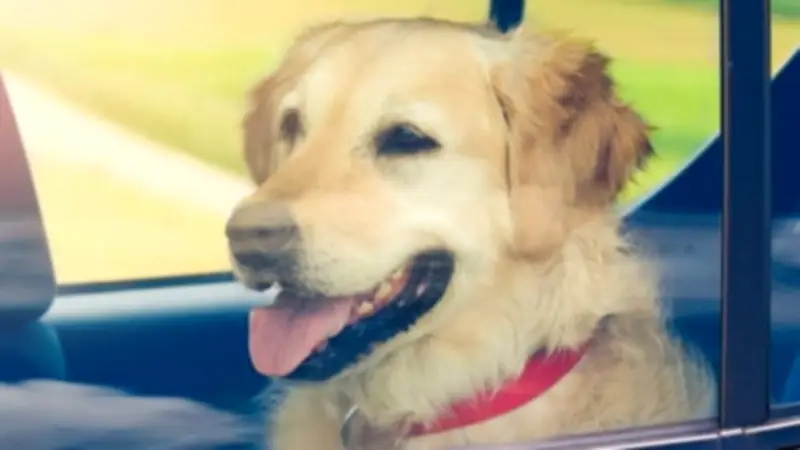
The RSPCA is urging dog owners across the UK to leave their pets at home as temperatures begin to climb. With summer heatwaves becoming more frequent, vehicles can quickly turn into ovens, putting animals at serious risk of losing their lives. The charity's warning comes as many pet owners may be tempted to take their dogs on short trips, but even a brief stop can prove fatal.
Recognizing the Danger and Legal Implications
Finding a distressed pet trapped inside a boiling vehicle leaves many people wondering where they stand with the law. Knowing the exact symptoms of heatstroke can help you decide how to act safely and quickly in the best interests of the animal. Symptoms include excessive panting, drooling, lethargy, vomiting, and collapse. If you spot these signs, time is of the essence.
However, taking matters into your own hands could lead to unexpected legal trouble if you act too hastily. The charity advises that calling the emergency services should always be your very first move. Dial 999 immediately, as the police and RSPCA have the authority to enter vehicles when an animal's life is at risk.

Breaking a Car Window: Legal Risks
If the animal is in a critical state and help has not arrived, you might feel compelled to smash the glass. However, doing so without following the proper steps could see you accused of criminal damage, reports Kate Lally on the Daily Star. The RSPCA stated: "If the dog's condition is critical, and the police haven't arrived yet, your instinct will be to break into the car to free them. But please be aware that this could be classed as criminal damage. You may need to defend your actions in court, so please be sure you're doing the right thing. Legally, you can commit damage if you believe the car owner would consent to it if they knew the dog was in danger."
Before you attempt to break into any vehicle, you must tell the authorities exactly what you plan to do. Gathering photographic evidence and speaking to bystanders will also help back up your version of events. This documentation can be crucial if you face legal action, as it demonstrates that you acted reasonably and in the animal's best interest.
Essential Steps to Take
- Call 999 immediately if you see a dog in a hot car.
- If the dog is in critical condition and police haven't arrived, inform them of your intention to break in.
- Take photos and videos of the scene, including the dog's condition and the car's temperature.
- Ask bystanders to act as witnesses and support your account.
The charity further explained: "Don't be afraid to dial 999. If it's an emergency, we may not be able to get to you, and the dog, quickly enough. And as we have no powers of entry, we'd need to ask the police to help us rescue the dog. Don't worry, the police will soon let us know if the dog needs our help."
Prevention is Better Than Cure
Leaving your four-legged friend in the comfort of a cool house remains the safest choice during a British summer. A quick trip to the local shops is simply not worth the gamble when the sun is out. Even with windows cracked open, temperatures inside a car can rise by 20 degrees Fahrenheit (11 degrees Celsius) in just 10 minutes, making it a deadly environment.
The RSPCA's advice is clear: never leave a dog unattended in a vehicle, even for a few minutes. If you must travel with your pet, ensure you have adequate ventilation, water, and shade, and never leave them alone. For those who do take dogs on journeys, there are various products available to keep them safe and comfortable, such as seatbelt harnesses, car barriers, and water bowls.
Additional Pet Safety Tips
Beyond car safety, owners should be aware of other summer hazards. Hot pavements can burn a dog's paws, so walk them during cooler parts of the day. Always provide fresh water and shade, and never leave pets in direct sunlight. If you suspect heatstroke, move the dog to a cool area, offer water, and seek veterinary help immediately.
The RSPCA also reminds owners that certain breeds, such as French bulldogs, pugs, and other flat-faced dogs, are more susceptible to heatstroke due to their respiratory issues. Extra caution is needed for these breeds during hot weather.