A teenager from Shrewsbury who was initially told his symptoms were due to a stomach bug or anxiety has been diagnosed with an aggressive brain tumour. Alex Costa-Veiga, 16, endured over a year of unexplained morning sickness before developing double vision. Following an eye examination, he was rushed for an emergency scan and diagnosed with medulloblastoma, a rare and fast-growing form of brain cancer.
Long road to diagnosis
His family say the correct diagnosis came only after months of medical consultations, blood tests, and ultrasounds failed to identify the cause of his declining health. His morning vomiting was initially attributed to anxiety, but it was actually a symptom of the tumour. Mother Melanie Costa-Veiga, of Shrewsbury, said: 'For over a year, they were looking into food intolerances and stomach issues. Nothing pointed to anything serious. It wasn't until Alex mentioned double vision and we went to the optician that everything changed.'
Emergency surgery and treatment
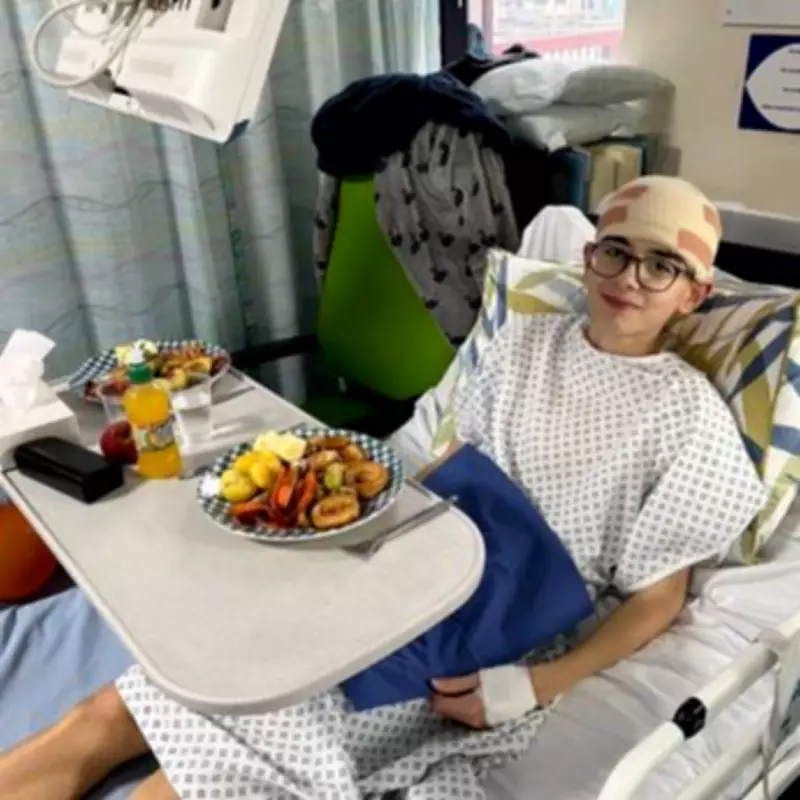
Following the optician appointment, Alex was urgently referred for a CT scan at Princess Royal Hospital in Telford, where doctors discovered the tumour. He was immediately transferred by ambulance to Birmingham Children's Hospital for specialist treatment. Medics first performed emergency surgery to insert a shunt and reduce pressure on his brain, before Alex underwent a complex 10-hour operation to remove the tumour from his cerebellum. By the time surgeons intervened, the cancer had already begun to spread.

Gruelling recovery
Alex then faced months of gruelling treatment, including radiotherapy, chemotherapy, and intensive rehabilitation. The treatment caused severe side effects, including posterior fossa syndrome, speech difficulties, extreme fatigue, and weakness down the left side of his body. At one stage, he was unable to speak or walk and depended on a wheelchair. He subsequently underwent specialist rehabilitation at The Children's Trust in Surrey and has progressively regained some mobility, now capable of walking short distances with the assistance of a frame. Alex also required treatment for vision difficulties and underwent corrective eye surgery after initially wearing a prism lens to manage his double vision. His cancer treatment also damaged his pituitary gland, affecting his growth hormones and leaving him needing hormone therapy.
Return to education
The diagnosis in 2023 came shortly after Alex, then 14, had completed the first term of Year 10, forcing him to spend the remainder of the academic year away from school while undergoing treatment. Upon returning to education on a reduced timetable due to exhaustion and ongoing rehabilitation, Alex chose to repeat Year 10 and reduce the number of GCSE subjects he would sit. Despite ongoing obstacles, the 16-year-old is currently sitting GCSEs in maths, English Language, biology, geography, and religious studies. He hopes to progress to A-level biology, geography, and computer studies. When asked about his aspirations, Alex said: 'I would like to be a marine biologist or work with animals.'
Family's pride and call for research
Melanie said: 'Alex has worked so hard and we are incredibly proud of all he has achieved. It's been challenging balancing school work with his continued rehabilitation but he has made fantastic progress. It's been a difficult journey with a few bumps in the road, but Alex has stayed positive and determined to achieve, better days will come.' The family are now supporting Brain Tumour Research's calls for greater investment into brain tumour treatment and research. Melanie added: 'People think once the treatment ends it's over, but it's not. There's still a long road ahead. We've met children on that ward who are no longer here. We count our blessings every day. We still need more answers and more research. There are only three options - surgery, radiotherapy and chemotherapy - and they are far too harsh for children. Other countries are developing kinder treatments and the UK must catch up.'