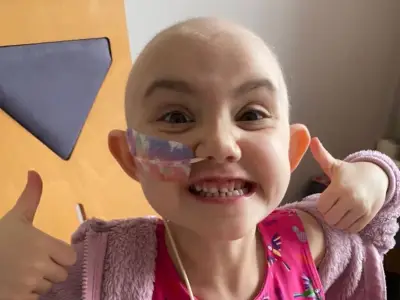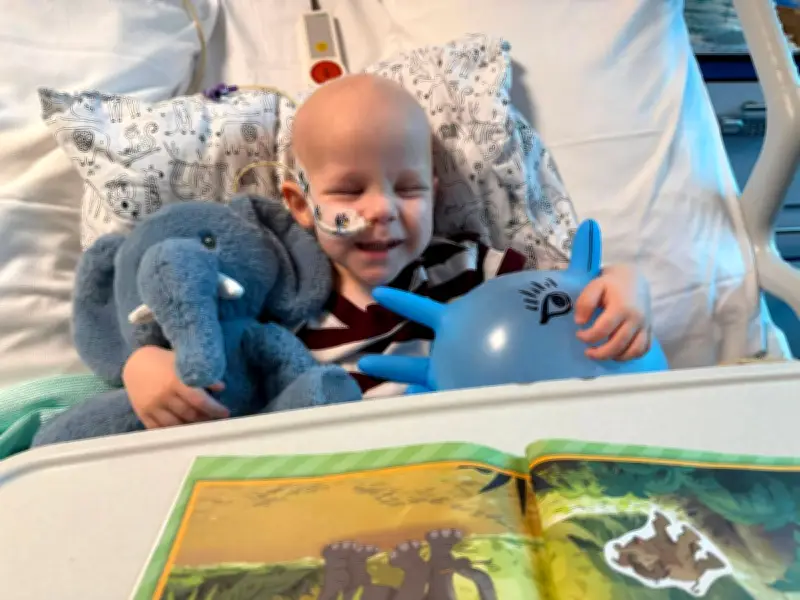
Teddy Sloman, a three-year-old from Griffithstown, Wales, was diagnosed with neuroblastoma after his parents initially attributed his symptoms to teething. He now requires £250,000 for life-saving treatment that has been withdrawn from the NHS.
Symptoms dismissed as teething
In June 2025, Teddy suddenly refused to eat or drink. His parents, Sarah and Kramer Sloman, initially thought it was due to teething or the hot weather. However, he began vomiting and sleeping for long periods. Despite multiple visits to the GP and a paediatric hospital, he was sent home with a diagnosis of constipation.
Sarah, a children's nurse, said: "He was teething initially and went off his food a bit, and there was a heatwave so we assumed that was all it was."

Discovery of the tumour
While massaging Teddy's stomach, Sarah felt a lump. She rushed him to hospital, and on 16 July 2025, the family received the devastating news that Teddy had neuroblastoma, a rare and aggressive cancer. The tumour occupied his entire abdomen, pressing on his organs and spreading to his bone marrow.
Sarah recalled: "During a baby massage I felt a mass in his stomach. They just told me it was a bit of poop that was stuck and to carry on with the massages. Unbeknownst to me the mass inside his stomach was actually a very nasty and very aggressive tumour."
Intensive treatment and complications
Teddy underwent chemotherapy from July to September 2025, followed by major surgery at Birmingham Children's Hospital in October. He suffered severe complications, including Pneumocystis pneumonia (PCP) and Mucositis. Immunotherapy started on his third birthday in April but caused extreme pain and eyesight problems, leading doctors to halt treatment. Sarah noted: "The senior hospital staff said it was the worst reaction to immunotherapy they had seen in over 20 years."
Teddy now relies entirely on tube feeding and faces a high risk of relapse. For children who relapse, survival rates are devastatingly low.
£250,000 treatment not on NHS
An American-produced maintenance drug, Difluoromethylornithine (DFMO), which helps prevent relapse, was recently withdrawn from the NHS. The family was quoted £250,000 to access it privately. Sarah said: "To know that there is a type of drug out there that is the best chance we have to beat this very horrendous disease we need to try and get it."
The family launched a GoFundMe page, raising over £61,000 so far, but a significant shortfall remains. Sarah added: "He is the biggest social butterfly that you will come across. His strength and resilience has been the only thing getting us through."