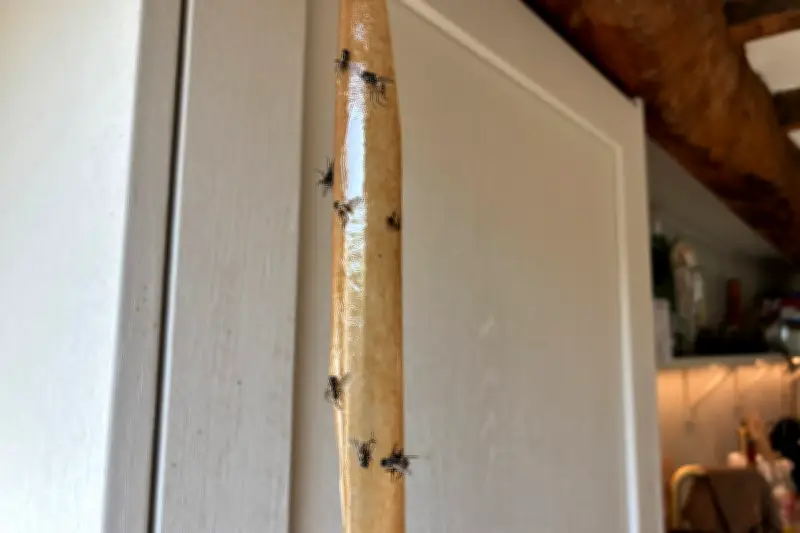
As summer temperatures rise, many households notice an influx of flies buzzing around kitchens and bins. Understanding why flies appear in large numbers and knowing the quickest ways to eliminate them can help you reclaim your living space. This guide explains the reasons behind fly invasions and provides practical, fast-acting solutions.
Why Fly Numbers Surge in Summer
Flies are attracted to warmth, food, and moisture, all of which are abundant during the summer months. According to pest control experts, a single female housefly can lay up to 150 eggs at a time, and these can hatch within 24 hours. This rapid reproduction cycle means that a small fly problem can quickly escalate into an infestation if not addressed promptly.
Common breeding sites include uncovered food, pet waste, and damp areas like drains or compost bins. Flies are also drawn to decaying organic matter, which is why they are often found near rubbish bins or in kitchens where food scraps are left out. The heat accelerates the decomposition process, making these areas even more attractive to flies.

Fast-Acting Methods to Get Rid of Flies
When you need to eliminate flies quickly, several proven methods work effectively. One of the most immediate solutions is a DIY fly trap using apple cider vinegar and dish soap. Fill a shallow dish with apple cider vinegar, add a few drops of dish soap, and cover it with plastic wrap, poking small holes. The vinegar attracts flies, while the soap breaks the surface tension, causing them to drown.
Another quick remedy is to use a mixture of water and essential oils, such as eucalyptus, peppermint, or lavender, in a spray bottle. These scents are natural repellents and can be sprayed around windows, doors, and other entry points. However, be cautious when using essential oils around pets, as some can be toxic to cats and dogs.
Preventive Measures to Keep Flies Away
To prevent flies from returning, focus on eliminating their food sources and breeding grounds. Ensure all food is stored in sealed containers, take out the rubbish regularly, and clean up spills immediately. Keep bins covered and clean, and consider using a bin with a tight-fitting lid.
Sealing entry points is also crucial. Check windows and doors for gaps and repair or install fly screens. In addition, removing standing water and fixing leaky taps can reduce moisture that attracts flies. For outdoor areas, consider using fly-repellent plants like basil, mint, or marigolds, which are known to deter flies naturally.
When to Call Professional Pest Control
If fly infestations persist despite your best efforts, it may be time to seek professional help. Pest control services can identify the source of the problem and apply targeted treatments to eliminate flies at all life stages. This is especially important in commercial settings or if you have a large infestation that is difficult to manage on your own.
In summary, the key to dealing with flies is a combination of rapid elimination and long-term prevention. By understanding why flies are attracted to your home and using both fast-acting traps and preventive measures, you can significantly reduce their presence and enjoy a fly-free summer.