Dr Amir Khan, a well-known TV doctor, has urged everyone over the age of 40 to purchase their own blood pressure monitor for home use. He says keeping track of your numbers could help detect a hidden condition before it leads to serious health problems.
Why Home Monitoring Matters
Many people assume they are healthy simply because they feel fine. However, monitoring blood pressure is one of the easiest ways to protect long-term wellbeing. Getting a reliable reading is straightforward if you rest quietly for a few minutes beforehand. Catching any changes early allows you to discuss them with your GP.
Dr Khan shared his advice in an Instagram video, explaining that high blood pressure often comes with no warning signs. "Team, if you're over the age of 40, I genuinely think one of the best things you can do at home is buy a blood pressure monitor. It could literally save your life," he said.

The Silent Killer
He described how the first number indicates the force of the heart's contraction, while the second shows pressure when the heart rests. When these numbers stay too high, it puts extra strain on blood vessels over time. "Now, the reason it is so important is that high blood pressure rarely causes any symptoms. Most people feel completely well, but over the years it can quietly damage your blood vessels, increasing your risk of heart attack, stroke, kidney disease, eye disease, heart failure, and even dementia. That's why lots of people call it the silent killer," said Dr Khan.
The good news is that managing the condition is possible once it is detected. You can check your levels at a local pharmacy, your GP surgery, or with a personal monitor. "Now, the beauty is that it's easy to measure, and if it's high, we can do something about it through lifestyle changes, medication, or often both," he added.
How to Get an Accurate Reading
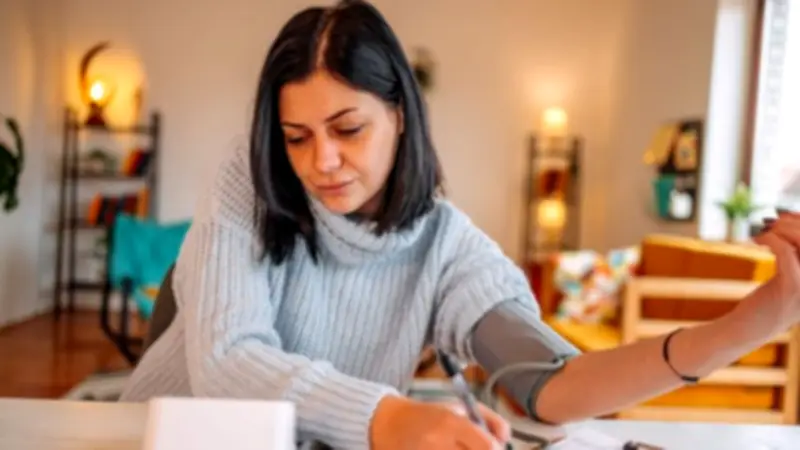
For the best results, follow simple steps before wrapping the cuff around your arm. Avoid caffeine or exercise for 30 minutes beforehand. "Now you have to get an accurate reading, and this is how you do it. Sit quietly for five minutes beforehand, avoid caffeine, smoking and exercise for about 30 minutes before if possible. Now sit with your back supported, feet flat on the floor, legs uncrossed, and rest your arm on a table so the cuff is at the level of your heart," said Dr Khan.
The monitor should sit against bare skin, not over clothing. Take two readings one minute apart, and do this morning and evening for seven days. Ignore the first reading and average the rest, as this is the measurement used in general practice.
NHS Guidelines on High Blood Pressure
According to the NHS, if you are under 80 years old, you are generally considered to have high blood pressure if your reading is 140/90 or higher when checked by a healthcare professional, or 135/85 or higher when checked at home. For those aged 80 or over, high blood pressure is defined as 150/90 or higher in clinic, or 145/85 or higher at home.
To lower blood pressure, the NHS recommends a healthy balanced diet, regular exercise (at least 150 minutes per week), weight loss if overweight, reducing salt intake, limiting alcohol to no more than 14 units per week, cutting down on caffeine, and not smoking.