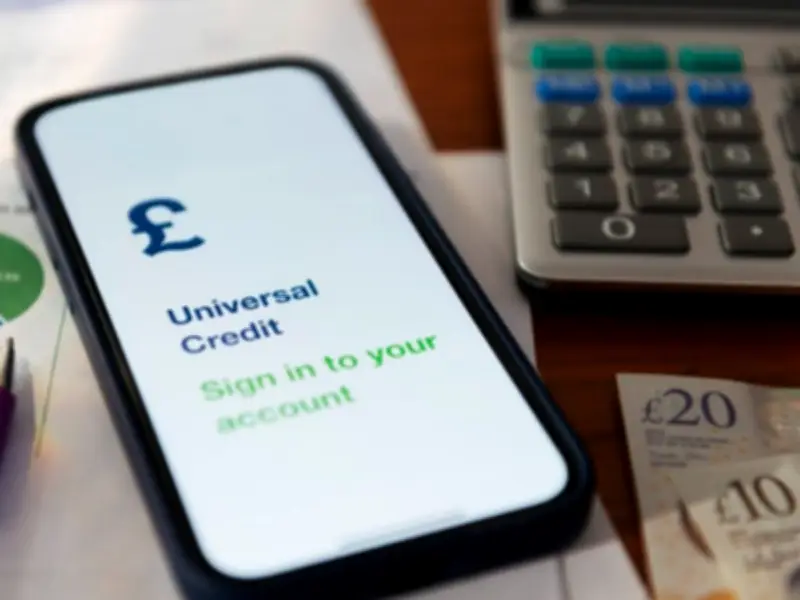
The £7,500 income threshold for Universal Credit claimants will be removed from September 2026, a move that significantly expands eligibility for free school meals. This change, originally approved under Sir Keir Starmer's government and now implemented under Prime Minister Andy Burnham, ensures that every pupil in state-funded schools, school-based nurseries, sixth forms, and further education institutions from households on Universal Credit will receive free school meals.
What the change means for families
Starting from the beginning of the 2026 school year, this policy will put an estimated £500 back into parents' pockets per child each year. The Department for Education, led by Education Secretary Lucy Powell, confirmed that "over half a million more children will benefit from a free nutritious meal every school day."
The previous eligibility criteria, in place since 2018, only allowed children to receive free school meals if their household income was below £7,400 per year. This left hundreds of thousands of children living in poverty without access to this vital support. The expansion is projected to lift 100,000 children across England out of poverty, according to government figures.

Implementation timeline
While applications submitted ahead of the transition may be assessed under the expanded criteria, families newly eligible under the revised rules will only be able to access free school meals from September 2026. This phased approach allows schools and local authorities to prepare for the increased uptake.
Reaction from education leaders
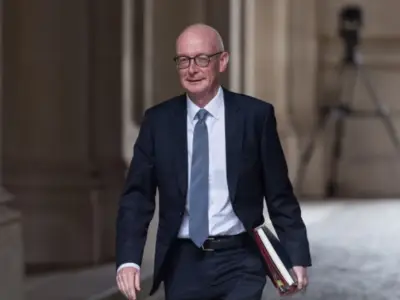
Lucy Powell was appointed Education Secretary in Andy Burnham's first Cabinet reshuffle. Her appointment has been welcomed by early years sector leaders. Neil Leitch, CEO of the Alliance, commented: "We warmly welcome Lucy Powell MP to the role of education secretary and congratulate her on her new post."
Leitch added: "As a former shadow early years minister, Ms Powell is already well aware of the transformative power of our sector, and she has previously spoken powerfully on the importance of ensuring that those children and families most in need are not overlooked when it comes to early years policy."
Broader impact on child poverty
The government says this change is a significant step towards reducing child poverty and improving educational outcomes. By ensuring more children have access to nutritious meals, the policy aims to support concentration, attendance, and overall wellbeing in schools.
Education Secretary Lucy Powell has been tasked with overseeing the rollout, with a focus on ensuring that the early years sector remains a priority within the Department for Education. The Alliance CEO expressed confidence that both families and providers will receive the support they need so that "every child, without exception, can get the best possible start in life."
The expansion of free school meals is part of a wider effort by the Burnham government to address cost-of-living pressures and support low-income households. Further details on funding and school allocations are expected to be announced in the coming months.