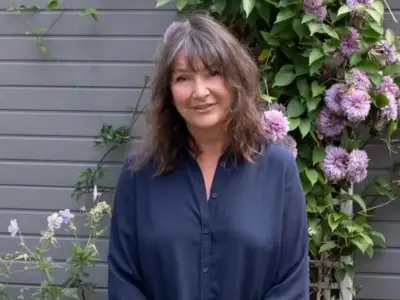
A decade after the horrific Alton Towers rollercoaster crash that claimed her leg, survivor Leah Washington-Pugh has spoken about her ongoing journey and her mission to help others facing similar challenges.
The Life-Changing Accident
On June 2, 2015, Leah Washington-Pugh's life changed forever when the carriage she was riding in on The Smiler rollercoaster collided with another at the Staffordshire theme park. She was just 17 years old at the time, while her now-husband Joe Pugh was 18.
The catastrophic incident left Leah with such severe injuries that doctors were forced to amputate one of her legs. She was among 16 victims who received compensation from ride operator Merlin following the crash.

A New Mission Born From Trauma
Now aged 28, Leah reflects on the immense psychological and physical impact of becoming an amputee as a teenager. "It was a massive shock, obviously, for everybody that's experienced not just a traumatic event but then to also become an amputee from the accident as well," she shared.
"I was 17 so I was just starting to go out and be an independent person. And then everything was taken away from me and I was back to relying on my mum and dad to do everything for me or nurses."
Despite the daily challenges, Leah considers herself "lucky to be where I am now" and has channelled her experience into supporting others.
Supporting Fellow Amputees
Leah now volunteers as one of seven patient ambassadors at the new National Rehabilitation Centre (NRC), a £105 million NHS facility located at Stanford Hall Estate, just south of East Leake.
The 70-bed facility, scheduled to open later this year, will specialise in helping patients recover from severe injuries and life-changing illnesses.
"I'll come down to see them and have a chat with them. Be that friendly face," Leah explained about her volunteer role. "When I was in hospital a girl came to see me who was also an amputee. She gave me an idea of what was coming and what my future would look like. It massively helped in my journey."
She describes the aftermath of becoming an amputee as "a minefield" where patients must "learn from scratch and figure everything out yourself."
While acknowledging there are times she wishes for her leg back and "a normal life," Leah emphasises that "you can still live a fulfilled life and go and do things you really want to do." Her work at the new rehabilitation centre ensures that others facing similar challenges won't have to navigate their recovery journey alone.