Chancellor Rachel Reeves delivered her Autumn Budget on November 26, 2025, announcing a series of benefit changes, but for many disabled families, it has brought more fear than relief.
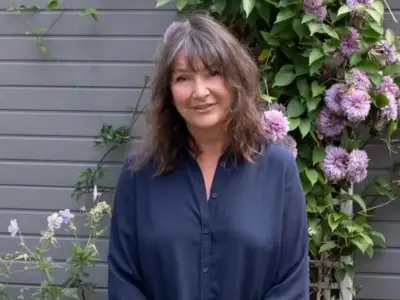
While the decision to scrap the two-child benefit cap was announced, mother-of-two Lorraine Griffin has voiced the profound concerns of families like hers who feel overlooked and left behind by the government's plans.
'We are just being pushed to the side'
Lorraine, who cares for her two autistic sons full-time, expressed her deep disappointment that the Chancellor did not use the Budget to address the severe challenges facing disabled people. "It feels like disabled children are not a priority at all," she said. "They're just being pushed to the side."

She highlighted the critical need for more support, pointing to the social care, SEND, and benefits systems as essential public services that are currently underfunded and under-resourced. For families already struggling to make ends meet, the lack of investment is a heavy blow.
The reality of life for a disabled family
Lorraine's sons, 13-year-old Ben and 14-year-old Sam, both attend a special needs school in the West Midlands. Ben is non-verbal, incontinent, and sometimes displays aggressive behaviour, while Sam is quieter and struggles with anxiety.
The family's income relies on Universal Credit and Carer's Allowance, as Lorraine cannot work due to her full-time caring responsibilities. Beyond the immediate financial strain, they face new uncertainties from proposed welfare reforms.
A significant worry is the potential restriction of the Universal Credit health element for claimants under the age of 22, a change that could impact both of her sons in the coming years.
Uncertainty and fear for the future
"The future is so uncertain and thinking about it fills me with dread and panic," Lorraine admitted. She also has a heart condition, and the constant anxiety of navigating the benefits system, coupled with the threat of further cuts, takes a heavy toll.
"For parents of disabled children with complex needs, day-to-day life is just so traumatic," she explained. "We're just coping and surviving. We've got the added worry of financial support as well, and if that's cut, we can't live."
James Watson-O'Neill, chief executive of the national disability charity Sense, echoed these concerns. While welcoming the removal of the two-child cap, he stressed that disabled families—already exempt from the cap—are more likely to be living in poverty and need more targeted support.
He urged the government to rule out cuts to the health element of Universal Credit for young people and highlighted the unavoidable extra costs disabled families face.
According to Sense research, the situation is dire:
- Two in five parents of disabled children cannot properly heat their homes in winter.
- The same proportion are skipping meals so their child can eat.
James Watson-O'Neill concluded that the Budget announcements "fall far short of what is urgently needed" and that the lack of wider investment, combined with uncertainty over future cuts, leaves disabled people fearful about how they will cope.