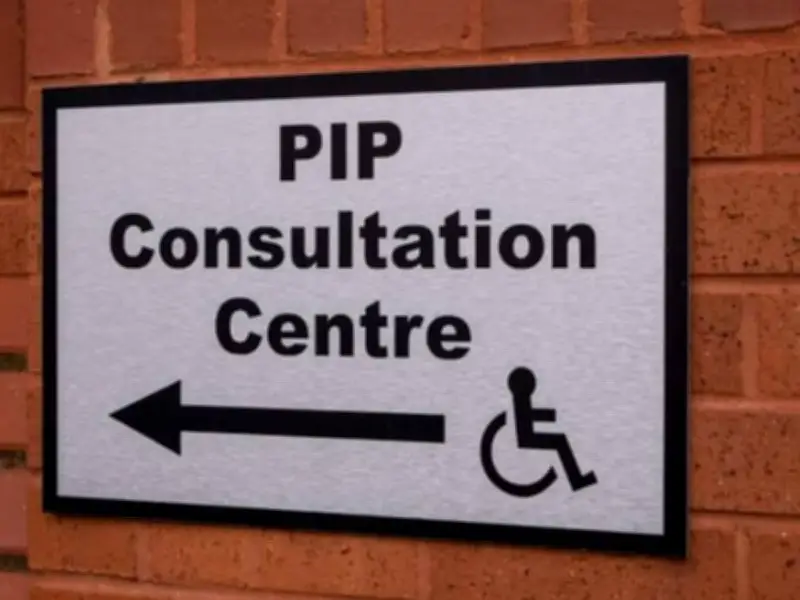
The Department for Work and Pensions (DWP) is set to restart a long-paused changeover scheme that will require approximately 153,000 adult Disability Living Allowance (DLA) claimants to apply for Personal Independence Payment (PIP). Failure to respond to the reassessment order could result in the loss of benefits, and even those who do apply may not receive the same level of support.
DWP Restarts DLA-to-PIP Transfer
DLA, which was replaced by PIP in 2013, has been gradually phased out over the years. The transfer process was halted during the COVID-19 pandemic, but now the DWP is resuming the reassessment for the remaining claimants. According to the DWP, 153,000 adults still on DLA will soon be contacted and instructed to submit a PIP application.
Claimants who ignore the reassessment notice risk having their payments stopped entirely. Even if they apply, there is no guarantee that they will be awarded PIP at the same rate as their current DLA. Some may receive a lower amount or be found ineligible altogether. Once transferred, claimants cannot revert to DLA.

What Claimants Must Do
James Taylor, director of strategy at disability equality charity Scope, emphasised the importance of responding promptly: “Current DLA claimants need to make sure they respond when the DWP gets in contact.” He also warned that the PIP assessment process can be challenging, stating: “Disabled people know that the current system for PIP is not working and too many have to endure assessments that feel dehumanising and confrontational.”
PIP consists of two components: daily living and mobility. Each component is paid at either a standard or enhanced rate, depending on the number of points awarded based on the claimant’s ability to perform specific activities. The total amount received under PIP may differ from the DLA amount, and claimants who receive the highest rate of DLA cannot receive more under PIP.
Risks of Failing to Respond
Scope’s Taylor also urged the DWP to ensure that disabled people are not penalised: “The DWP needs to make sure they don’t penalise disabled people whose extra costs are only likely to rise.” The reassessment process involves a detailed form, after which the DWP will arrange an assessment. While most assessments take place in person at an assessment centre, alternatives such as phone calls or home visits are available. In some cases, if sufficient supporting evidence is provided, a paper-based assessment may be conducted without a face-to-face meeting.
Impact on Other Benefits
Losing DLA can have a knock-on effect on other benefits, such as Carer’s Allowance or means-tested support. Claimants are advised to seek independent advice before the reassessment to understand how their overall entitlement may change. The DWP has stated that it will provide information and support to those transitioning to PIP, but charities warn that many claimants may struggle with the complex application process.