From Devastating Diagnosis to Decades of Resilience
A Wolverhampton mother has shared her powerful journey after being told her newborn daughter would "waste away" from a rare genetic condition - now celebrating her child reaching 29 years old with remarkable achievements.
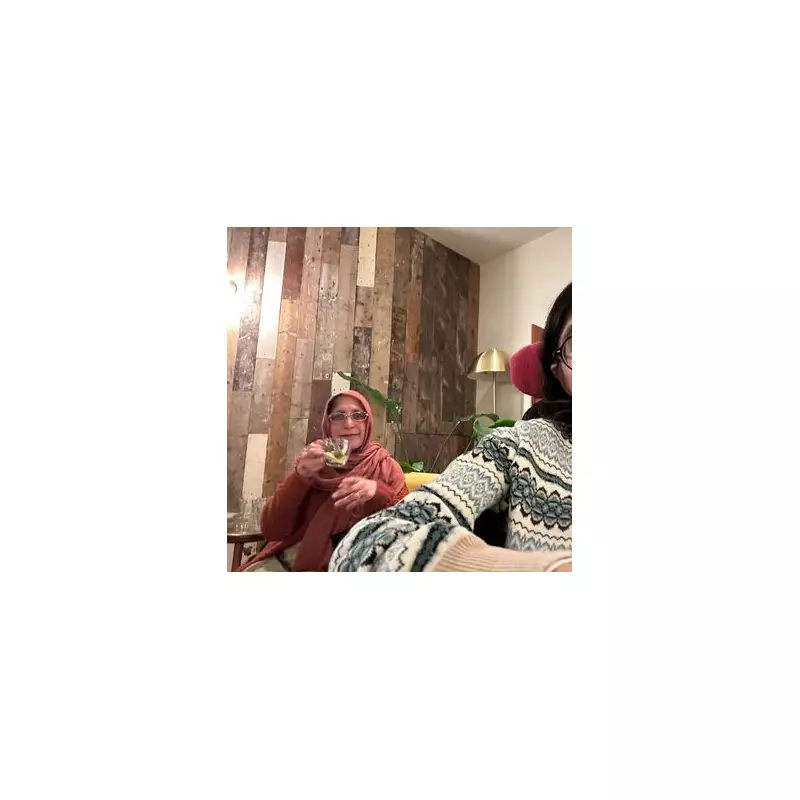
Imtiyaz Begum, 55, first noticed something wasn't right with her daughter Sanah when she was just one year old. Unlike other babies, Sanah wasn't walking normally and could only move by holding onto furniture with both hands. This early observation would lead to a life-changing diagnosis that initially seemed devastating.
The Heartbreaking Diagnosis
At age two, Sanah was diagnosed with spinal muscular atrophy type two (SMA), a rare genetic condition that causes progressive muscle wasting. Doctors delivered the crushing news that there was no treatment available at the time and that Sanah would gradually become weaker.

"I'd never heard of SMA, what it meant or what was going on," Imtiyaz recalled. "When she was diagnosed, it was too much to take in. It was really heartbreaking, I didn't know how to process everything they said. She's my firstborn as well."
The initial period following diagnosis proved incredibly challenging for the family. "Doctors told us it was a muscle wasting condition, there was no treatment and that she would get weaker slowly," Imtiyaz explained. "It was difficult and I went into depression. I had to adapt to becoming a carer."
Family Challenges and Adaptations
The family's journey became even more complex when Sanah's younger sister Zaynab, now 25, was also diagnosed with SMA type three - a milder form of the condition. This meant both daughters required specialised care and support throughout their childhoods.
Sanah's mobility changed significantly when she was 12 years old following spinal surgery to address severe scoliosis. Since that procedure, she has relied completely on an electric wheelchair for movement and requires carers to visit four times daily, with her mother providing overnight care.
"Then at 12, I was fully dependent on a chair because I developed severe scoliosis and had to have surgery on my back," Sanah explained. "Since then, I couldn't do anything myself like go to the toilet or shower. I had the mental capacity but physically it was gone."
Daily Life with SMA
Living with SMA involves constant medical management and adaptation. Sanah attends hospital every six months for breathing tests and undergoes physiotherapy at least twice monthly. She faces particular challenges with respiratory infections since she cannot cough effectively.
"I have carers in the morning to help me shower and dress," Sanah shared. "We're fighting to get 24-hour care because my mum does the night care and it's tiring for her. Every day looks so different in terms of pain. My life is a rollercoaster. I have chronic fatigue and I crash at around 5pm."
Medical Advances and Personal Choices
In 2019, the first approved treatment for SMA became available to NHS patients in England, representing a significant breakthrough for those living with the condition. Sanah underwent this treatment for three years but made the difficult decision to stop when side effects worsened her existing psoriasis.
Despite this challenging choice, Sanah has achieved remarkable educational and professional success. She graduated from university where she studied film and worked as an editor and artist, though she had to leave her job last year due to health considerations.
Advocacy and Raising Awareness
The recent news about former Little Mix singer Jesy Nelson revealing her eight-month-old twins were diagnosed with SMA type one has brought back emotional memories for both Imtiyaz and Sanah. They are now sharing their story to highlight the crucial importance of early testing and diagnosis.
"Watching Jesy Nelson speak has been very emotional," Imtiyaz said. "There were no tests or treatments when Sanah was diagnosed and early testing is so important so children can live a better quality of life."

Sanah added her perspective on the importance of awareness: "It's being emotional following Jesy but parents have been fighting for years for early testing. Her babies are nine months and that's a long time for the condition to progress so they've already lost so much. It's amazing that she's talking about it and spreading awareness."
A Message of Hope and Strength
Both mother and daughter have powerful messages for other families facing SMA diagnoses. Imtiyaz wants to reassure parents: "I want to tell Jesy and other parents of children with SMA that they've got this. Your children are amazing. They're going to do great. They're just going to need the support. If you can do it, they can do it."
She emphasises the importance of belief and resilience: "Stay strong and believe in yourself and believe in your children. They can achieve many things in life like Sanah has. I always taught her she was no different and to be independent."
Sanah concludes with an important insight about the condition: "SMA doesn't affect your mental strength so they'll be strong." This powerful statement encapsulates the family's journey from devastating diagnosis to decades of resilience, achievement, and advocacy.
The Begum family's story highlights both the challenges of living with SMA and the remarkable progress in awareness and treatment options over nearly three decades. Their experience underscores the vital importance of early testing while demonstrating that quality of life and significant achievements remain possible with proper support and determination.