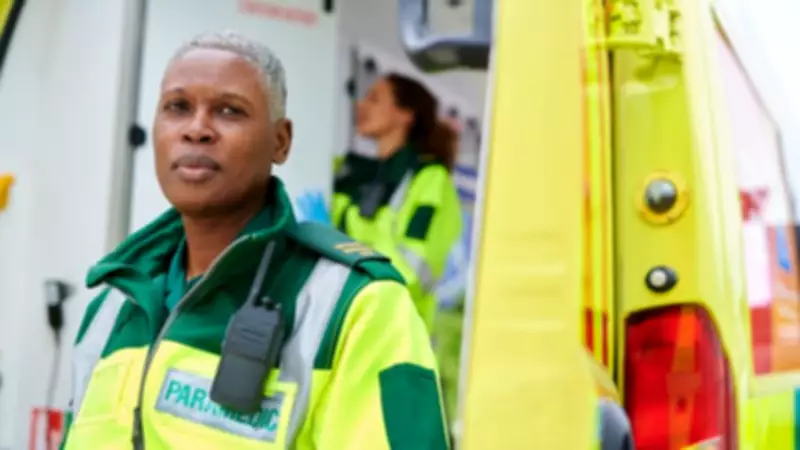
Record Number of Assaults on Emergency Workers Reported
Emergency workers across England and Wales faced a record number of assaults last year, according to newly released data. This alarming trend follows a change in reporting practices in 2018, which made attacks on non-police emergency personnel a separate criminal offence.
Shocking Statistics Revealed
Police recorded 4,377 assaults on emergency workers in the year ending September 2025. Since data tracking began in 2020, officers have logged more than 20,000 assaults on 999 workers, highlighting a persistent and growing problem.
Breaking down the numbers by profession reveals disturbing patterns:

- More than 60 ambulance personnel are attacked every day on average
- Last year alone, over 22,500 staff reported incidents ranging from physical strikes and spitting to sexual assault and verbal abuse
- 933 attacks on firefighters were recorded in England last year, resulting in 129 injuries
- A study of 766,000 NHS colleagues found that 14% had experienced physical assault at work
Geographical Hotspots Identified
Birmingham recorded the highest volume of incidents with 865 assaults, followed by Milton Keynes with 368 and Manchester with 336. However, when population size is considered, the seaside borough of Swale in Kent emerges as the most dangerous location for emergency responders.
Swale recorded 264 attacks over five and a half years, representing a rate of 17.1 incidents per 10,000 residents. Other areas with high crime rates include Reigate and Banstead in Sussex and Bridgend in South Wales.
Calls for Stronger Action
Since 2018, people who assault emergency staff face a maximum prison sentence of two years. Despite this legal framework, the Association of Ambulance Chief Executives (AACE) is advocating for further legislative action to better protect the workforce.
Anna Parry, AACE managing director, stated: "This appalling trend is worsening, with low conviction rates and lenient sentences clearly failing to deter offenders. Every day, on average, more than 60 ambulance colleagues are attacked — including physical violence, sexual assault and abuse — and they are just the cases that are reported; many go unreported, so the actual figure is even higher."
Professor Nicola Ranger of the Royal College of Nursing added: "These figures are saddening, but they will only represent the tip of iceberg. Nursing staff and other NHS workers face a torrent of violence and abuse while they try to provide care. Year after year, disgraceful attacks against our predominantly female profession steadily rise, while confidence falls among staff that employers will do anything about it."
The data paints a concerning picture of increasing violence against those who dedicate their lives to helping others in emergencies. With conviction rates remaining low and sentences often perceived as lenient, emergency service organizations are calling for stronger protections and more effective deterrents to reverse this troubling trend.