UK's Emergency Fuel Shortage Plan: Rationing, Speed Limits & Public Transport Push
Drivers across the United Kingdom are acutely aware that petrol and diesel prices are skyrocketing, with no end in sight due to the ongoing conflict in the Middle East. The war involving Iran has triggered a dramatic surge in fuel costs, particularly as the Strait of Hormuz faces a blockade, disrupting global oil supplies.
While Prime Minister Sir Keir Starmer assured motorists on Monday that there is "no need" to deviate from normal routines, other European nations are already contemplating petrol rationing measures. This stark contrast highlights the growing urgency of the situation.
National Framework for Fuel Crises
The UK government maintains a national framework, last updated in 2024, to address potential fuel shortages. This plan outlines a series of strategic actions designed to mitigate the impact on essential services and the public.

Under this framework, emergency service vehicles such as ambulances, fire engines, and police cars would be given top priority for fuel access. This ensures that critical life-saving and public safety operations can continue uninterrupted during a crisis.
Furthermore, oil and fuel distributors could receive directives to prioritize supplies for key service industries. Meanwhile, everyday consumers might face caps on fuel purchases to prevent hoarding and ensure equitable distribution.
Promoting Alternative Measures
The emergency strategy also includes significant measures to reduce overall fuel demand. Authorities would actively encourage the use of public transport, promote working from home arrangements, and implement reduced speed limits on roads.
These steps aim to conserve existing fuel stocks and alleviate pressure on the distribution system. The emphasis on public transport and remote work seeks to decrease the volume of daily commuter traffic, while lower speed limits can improve fuel efficiency for vehicles that remain on the road.
Soaring Fuel Prices and Future Projections
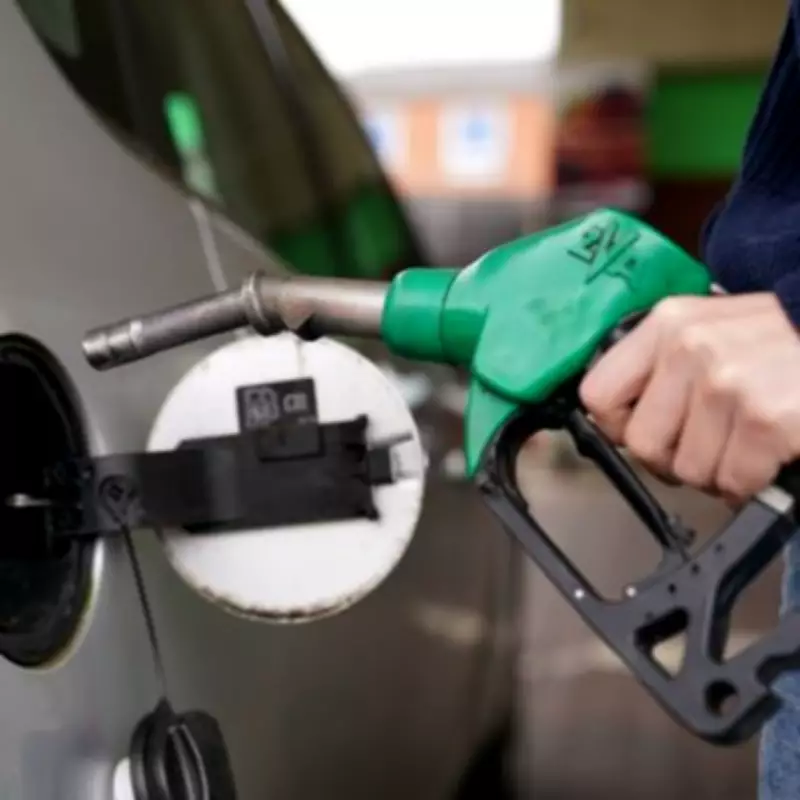
Current data reveals that fuel prices in the UK are climbing rapidly. Petrol has reached an average of 148.78p per litre, marking the highest level since May 2024 and representing a rise of over 12% since the conflict began a month ago. Some drivers have reported prices exceeding £2 per litre at certain pumps.
Diesel prices are also at a peak, averaging 176.52p per litre, the highest seen since December 2022. Experts warn that if the Iran war continues to escalate, petrol could hit an average of £2 a litre across the UK by May, placing further strain on household budgets and the national economy.
This comprehensive emergency plan underscores the government's preparedness for a potential fuel crisis, balancing immediate response actions with long-term conservation strategies to navigate the challenging landscape of global energy instability.