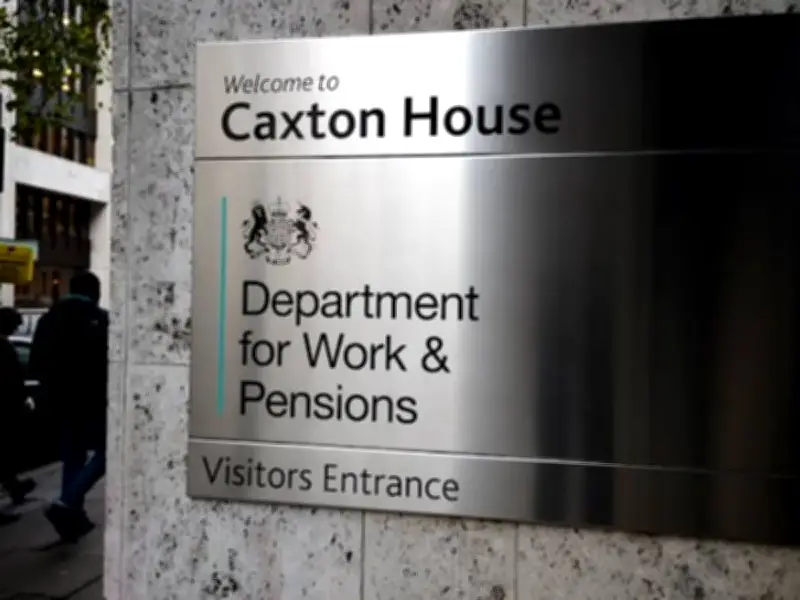
The Department for Work and Pensions has confirmed the range of employment support available to benefits claimants with neurodivergent conditions such as ADHD and autism, following a parliamentary question from Labour MP Mohammad Yasin.
The NHS estimates approximately one in seven people across the UK are neurodivergent, covering conditions including dyslexia, autism, ADHD and Tourette's. Many neurodivergent individuals may be protected under the Equality Act 2010, although not all regard their conditions as disabilities.
Connect to Work programme targets 300,000 people
Sir Stephen Timms, Minister of State for Equalities, confirmed that the DWP provides various employment programmes, including Connect to Work, which will support around 300,000 people by the end of the decade. The programme is locally led and includes a specialist pathway for neurodivergent and learning-disabled participants, using the Supported Employment Quality Framework.
Mr Timms said: "The department provides a range of employment support for autistic and ADHD people, including those who require ongoing practical support to obtain and sustain employment."
He added: "Our specialist, voluntary, Supported Employment programme, Connect to Work, is for anyone who is disabled, has a health condition or is experiencing non-health related barriers to work. Connect to Work has a specialist pathway for neurodivergent and learning-disabled participants, using the well-evidenced Supported Employment Quality Framework (SEQF)."
Access to Work and adviser support
The Access to Work scheme offers personalised discretionary grants for workplace adjustments that go beyond employers' legal responsibilities under the Equality Act 2010. The scheme is available across Great Britain to people with disabilities or health conditions, including neurodivergent conditions, where these affect their ability to work.
In Jobcentres, around 1,000 full-time equivalent Pathways to Work Advisers provide personalised one-to-one support to disabled and neurodivergent customers, and those with health conditions, to help identify and overcome obstacles preventing them from moving towards or into work.
Masterclasses and advisory panel
Between January and March this year, DWP funded the Advisory, Conciliation and Arbitration Service to run a limited series of neurodivergence masterclasses for employers free of charge. Over 1,800 employer representatives attended these sessions, which addressed employer and line manager skill and confidence in recruiting and supporting neurodivergent individuals at work.
In 2025, DWP launched an independent advisory panel of academics with expertise and lived experiences of neurodiversity to consider why neurodivergent people often have poor experiences in the workplace and a low overall employment rate. DWP has received the final version of the panel's report, which will be published alongside the department's response in due course.
ACAS emphasises that employers should provide support regardless of whether employees have formal diagnoses, as obtaining one can involve lengthy NHS waiting times. The organisation stresses the importance of creating psychologically safe workplaces where individuals feel comfortable requesting adjustments.
Experts warn that workplace support must be person-centred, as "everyone's needs will be different, including people who share the same neurodivergent identity". Many workers remain undiagnosed due to concerns about negative reactions or simply not feeling the need for formal confirmation.