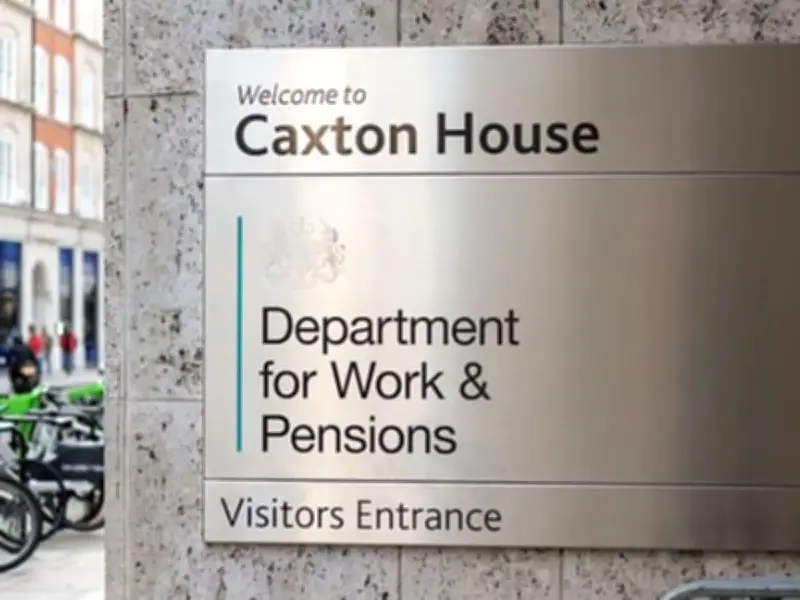
The Department for Work and Pensions has confirmed that pension contributions will continue during paid family leave for up to 39 weeks, but has acknowledged that unpaid leave can stop payments and affect women's retirement savings. The issue has been raised in Parliament, with the Pensions Commission now set to examine recommendations to address pension inequality.
Pension contributions during paid family leave
During paid family leave, both a woman and her employer will typically continue making payments into her workplace pension. If you are eligible for Statutory Maternity Pay, family leave will generally be paid by your employer for up to 39 weeks (approximately nine months). Numerous employers provide additional payments beyond this (or for a longer period), so it is always advisable to consult your workplace family leave policy.
If your maternity, paternity or adoption leave will be paid by your employer, contributions to your workplace pension will generally continue as usual for at least 39 weeks. However, if you opt to take any unpaid leave, all pension contributions will ordinarily stop. This usually occurs from weeks 40 to 52 during maternity or adoption leave, as you are entitled to the time off but payments such as Statutory Maternity Pay conclude at week 39.
Parliamentary scrutiny and government response
The issue was brought to public attention after Rachel Gilmour, Liberal Democrats MP for Tiverton and Minehead, questioned the DWP on whether it "has made an assessment of the potential impact of pension contributions being reduced during maternity leave on women's retirement savings."
Torsten Bell, Parliamentary Secretary at HM Treasury, responded by saying: "Automatic Enrolment has delivered substantial progress in increasing workplace pension participation among women, in addition to the reforms delivered through the new State Pension which have reduced historic inequalities. However, for the significant gaps between men and women remain, both in terms of pension participation and wealth, reflecting wider structural inequalities in the labour market. Periods of reduced pay during maternity leave may also contribute to reduced retirement savings for women."
Pensions Commission to consider reforms
Bell added: "The Pensions Commission will consider steps to improve pension outcomes for all, especially those groups we have identified at greater risk of under saving for retirement, including women." The Commission's final report will be published in early 2027 and the Government will consider their recommendations carefully.
The announcement comes as part of a broader review of pension reform by the Labour Party government, which has pledged to examine a series of recommendations aimed at reducing inequalities in retirement savings. The DWP's update highlights the ongoing gap in pension participation and wealth between men and women, which the government attributes to structural inequalities in the labour market.