A woman who endured two pregnancy losses was advised by medics to "just keep trying" because of the NHS's three miscarriage rule — and almost lost her life when it led to an ectopic pregnancy.
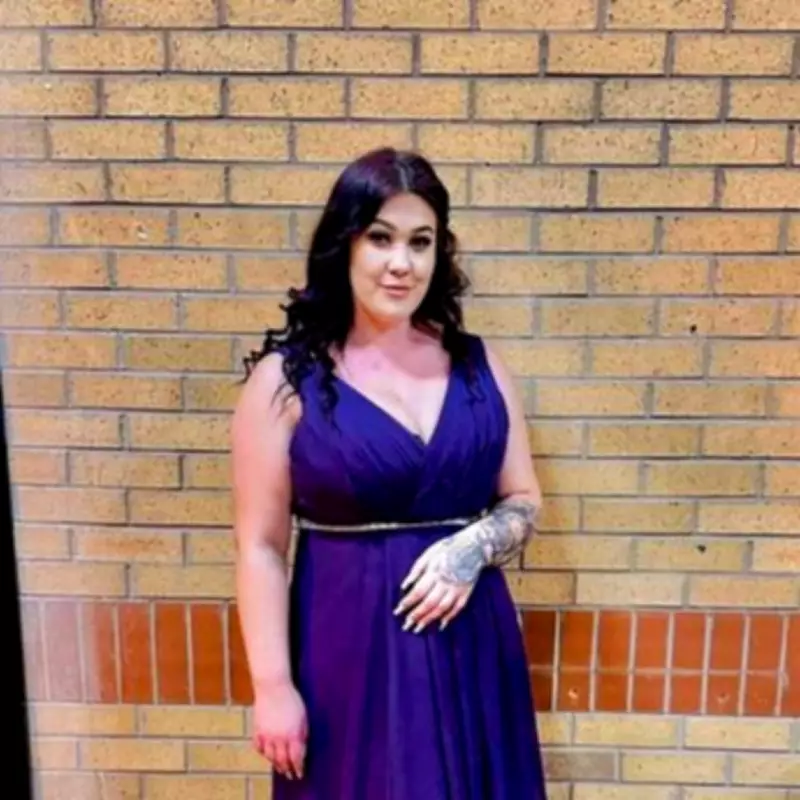
Sophie Heath, 28, from Stoke-on-Trent, Staffordshire, became pregnant for the first time in 2017, but lost the baby at 12 weeks following severe bleeding. The unexplained loss proved so devastating that it led to the end of her relationship with her then-partner.
Several years later, she conceived again, this time with partner Tom Clee, 26, but was devastated to suffer another miscarriage at just six weeks.
Sophie approached the NHS for assistance, but existing regulations stipulate that three unsuccessful pregnancies are typically required to access NHS fertility support in England. The pair were advised to "keep trying" by her GP.
In May 2025, they were thrilled to conceive again, cautiously optimistic they would welcome their miracle 'rainbow baby'. However, in June, Sophie awoke to severe pain and substantial bleeding, and it was established she had not only miscarried, but the pregnancy was ectopic. A fertilised egg had implanted in her fallopian tube instead of her womb, and Sophie suffered life-threatening internal bleeding in the subsequent days, necessitating emergency surgery. Her fallopian tube ruptured, triggering the bleeding, and consequently, she miscarried.
The heartbroken couple now meet the criteria for NHS fertility support — but are so traumatised by their losses that they are no longer attempting to conceive. Sophie, who works as a claims handler in accident management, explained: "After losing two babies and then a very traumatic third loss, I'm scared to do that process again. Both of us are grieving still."
"With my first loss, I went to the toilet in the hospital and actually saw the baby, there in my underwear. And with the ectopic pregnancy, the surgeon told us if I hadn't had the surgery when I did, Tom would have woken up the next morning and found me passed away next to him. Now, we just can't put ourselves through the heartbreak any more. I wouldn't wish it on my worst enemy. Making people endure three losses before looking at what might help them actually conceive is barbaric."
Sophie was 19 when she initially became pregnant, and while it was unexpected, she was delighted — until she started experiencing heavy bleeding on April 15, 2017, and was taken to hospital. Suffering a miscarriage in the hospital toilet left her deeply traumatised. She recalled: "At that point I wondered if I would ever want another child — I didn't want to go through that again."
Following her meeting with new partner Tom, the pair discovered they were expecting in October 2023 — but when Sophie's period proved heavier than usual, a scan confirmed it had been a miscarriage at six weeks. She reflected: "It was bittersweet because we never got the excitement of being pregnant. But I was still heartbroken. I tried to get in touch with NHS fertility — they said 'all we can recommend is you keep trying'."
On May 25, 2025, the couple were overjoyed to discover they were expecting once more. However, just two days after receiving a positive test, Sophie started bleeding. Medics were unable to locate the baby during a scan but reassured the anxious pair that this was perfectly normal at such an early stage of pregnancy. Several days later, on June 2, Sophie awoke to find she was bleeding again — this time far more severely. She said: "I was in excruciating pain, and a scan confirmed I was miscarrying for the third time. I felt like the world swallowed me up and took me away. The look of sadness on my partner's face is something I'll never get out my mind."
Following numerous further hospital visits, on June 9, while already mourning the loss of their baby, named Noah, Sophie awoke with intense pain in her side. A sonographer identified an ectopic pregnancy and informed her that she was bleeding internally. She said: "I was gobsmacked. Everyone was so panicked that I started saying my goodbyes. I didn't think I'd come out alive."
Her left fallopian tube was removed, though surgeons successfully preserved both ovaries — despite warnings that the situation could have proved fatal for Sophie. The couple say that support they now qualify for has come too late for them.
A new pilot scheme for fertility support, developed by Tommy's National Centre for Miscarriage Research at Birmingham Women's Hospital, has been put forward, which could assist couples such as Sophie and Tom considerably sooner. The pilot's "graded model of miscarriage care" steps in sooner and incrementally, drawing on evidence that numerous risk factors can be identified following one or two miscarriages.
While Sophie hasn't received a definitive explanation for her fertility difficulties, she has subsequently been diagnosed with polycystic ovary syndrome (PCOS), which may have played a role. Sophie said: "We're not pursuing NHS fertility support. If it had been caught earlier, this might not have happened. After two losses, it was frustrating that nobody could help me because I hadn't lost a third child. Why should we have to go through a third heartbreak?"
"A new model is such a good opportunity to prevent women and their partners going through a devastating loss more than once. All I ever wanted was to be a mum, but we can't put ourselves through the heartbreak any more."