
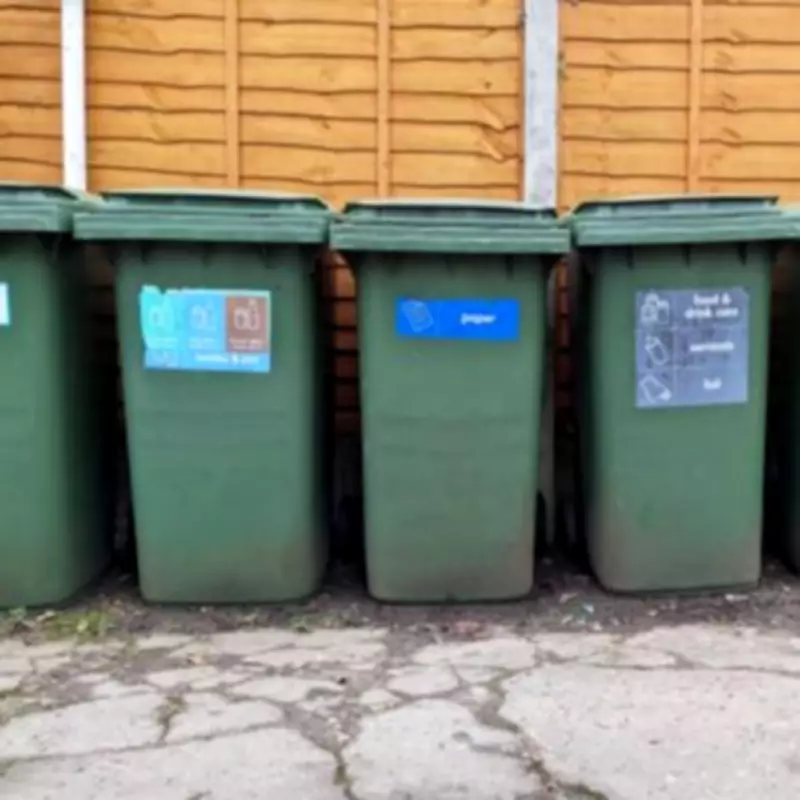
Under the Labour government's Simpler Recycling scheme, councils are now legally required to collect garden waste separately, but strict rules dictate what can be placed in green bins. Households that break these rules risk fines of up to £80. The scheme aims to boost recycling rates and reduce waste sent to landfill or incineration.
What Must Be Collected Separately?
Waste collectors must by default collect the following types of waste separately from households:
- Food and garden waste
- Paper and card
- All other dry recyclable materials (glass, metal, plastic, including cartons)
- Residual waste (non-recyclable waste sent for energy recovery or landfill)
13 Items Banned from Green Bins
The following garden items must not be placed in green bins under the new regulations:
- Animal bedding (though some councils may allow hay, straw, and bedding from rabbits and guinea pigs)
- Bricks – must go to recycling centres
- Bulky waste (including garden furniture and fencing) – take to recycling centres
- Garden tools – can be taken to recycling centres, charity shops, or community groups depending on quality
- Gardening equipment – same as garden tools
- Gravel – must be taken to recycling centres
- Plant pots – place in waste bin or return via garden centre programmes
- Plastic – certain types cannot be recycled; if uncertain, take to recycling centres
- Sand – cannot be recycled but can be used in compost heaps or as base for plant containers
- Sawdust – not accepted in green bins
- Stone – must be taken to recycling centres
- Tea bags or coffee grounds – not suitable for garden waste collection
- Large branches and trees – should be chopped into smaller sections following local guidelines and taken to recycling centres
Penalties for Non-Compliance
Households found violating the rules risk receiving an £80 fine. The government hopes the Simpler Recycling scheme will significantly improve recycling rates and reduce environmental impact.