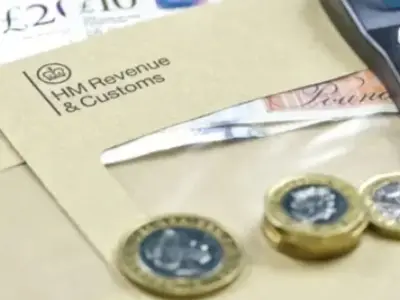
State pensioners are being warned about tax liabilities as the frozen £12,570 Personal Allowance leaves little room above the full Department for Work and Pensions (DWP) State Pension. The warning comes as the DWP state pension age rise timetable continues, with people born between October 6 and November 5, 1960 reaching State Pension age at 66 years and seven months. Those born from November 6, 1960 onwards fall into the next stage, with their State Pension age increasing to 66 years and eight months.
Full new State Pension value for 2026/27
The full new State Pension for the 2026/27 tax year stands at £241.30 a week, or £12,547.60 a year. This amount is just £22.40 below the frozen Personal Allowance, meaning pensioners receiving the full amount are close to the tax threshold. Rachel Vahey, Head of Public Policy at AJ Bell, noted that the value of the full new state pension is likely to surge past £13,000 and exceed the personal allowance for the first time.
Vahey said: "Although we still need to see September’s inflation figure and any revisions to July’s earnings growth before we know definitively how much it will increase by in 2027, it’s looking very likely that the value of the full new state pension will surge past £13,000 – and the personal allowance – for the first time." She added: "Even using the lowest measure of 2.5% under the triple lock means the full state pension amount would exceed the personal allowance of £12,570."
Government position on pension tax
The Labour Party government has said people in receipt of state pension income only above the personal allowance will not have to pay income tax on the benefit, although details on exactly how this will work remain thin on the ground. This statement has left many pensioners uncertain about their tax obligations as the threshold is expected to be crossed.
Pensions expert Tom McPhail told GB News: "Next April, we now know they're set to cross, and we're going to have this ridiculous situation where hundreds of thousands of pensioners are going to be forced to submit even a simplified tax assessment, but some form of bureaucracy to in order to make a payment of probably literally a few tens of pounds to HMRC."
Bureaucratic costs and unresolved issues
McPhail highlighted the inefficiency of the situation, stating: "And the revenue to the Government will probably be outweighed by the bureaucratic costs of administering the tax collection, but at the moment, the Government has yet to come up with any solution to this situation." This underscores the ongoing challenge for pensioners and the government alike as the frozen allowance intersects with rising state pension payments.